The Way Shared Participation Builds Larger Awards in Controlled Online Draw Networks
Harper Simmons · Jul 13, 2026
The Way Shared Participation Builds Larger Awards in Controlled Online Draw Networks
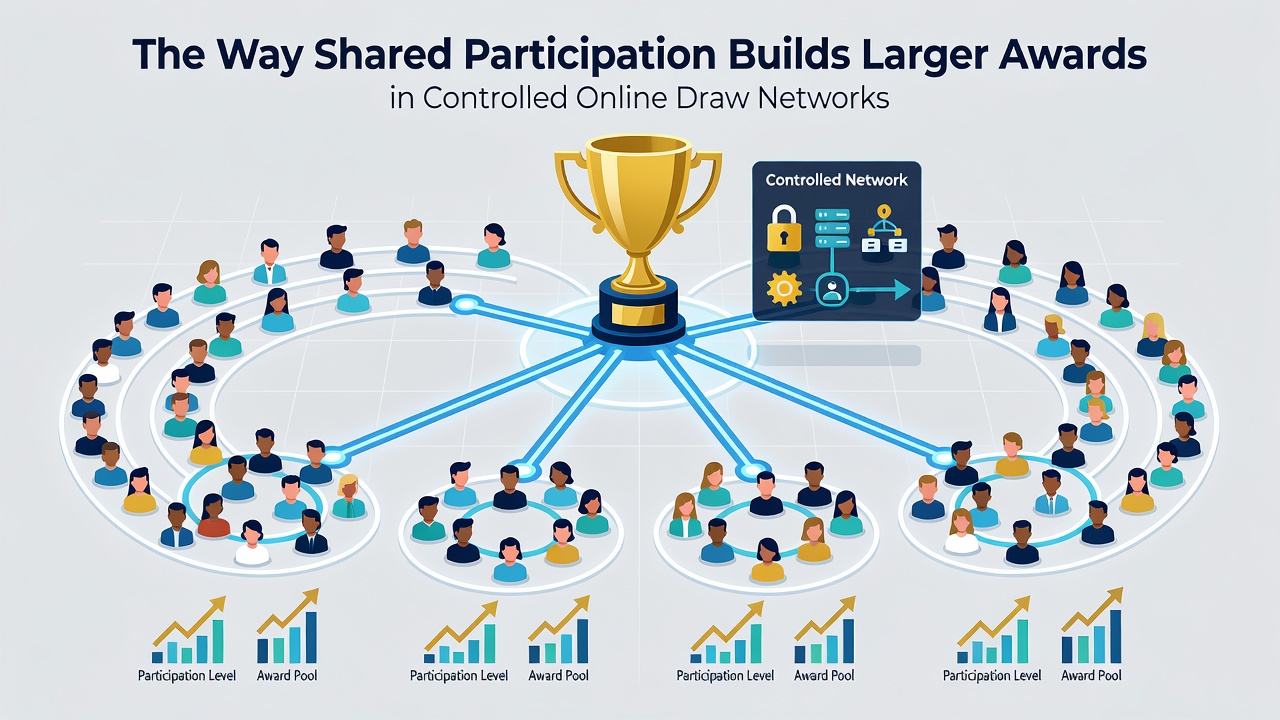
Shared participation drives prize growth in controlled online draw networks through cumulative contributions from verified users, and this process operates under strict regulatory oversight that tracks every entry in real time. Networks accumulate funds from each valid ticket or bet placed across authorized platforms, which then feeds into escalating award pools that reset only after a winning draw occurs. Observers note that entry volume directly correlates with pool size because operators allocate a fixed percentage of wagers to the progressive component, and data from multiple jurisdictions confirms consistent upward trajectories when participation rises steadily.
Mechanics of Pool Expansion
Each participant adds a small increment to the total through standardized contribution rates established by licensing authorities, and these rates remain transparent so players understand how their activity supports the larger structure. Controlled systems use automated ledgers that log contributions instantly, which prevents discrepancies and maintains audit trails required by oversight bodies. In July 2026 several networks reported record pool levels after sustained enrollment periods, with figures from the Alcohol and Gaming Commission of Ontario indicating average monthly increases of 18 percent tied directly to higher user volumes across connected sites.
Seed amounts supplied by operators or consortium members kickstart new cycles, yet ongoing participation determines how quickly those seeds multiply into substantial awards. Software protocols cap maximum contributions per user while allowing unlimited aggregate growth from the broader base, and this design keeps systems balanced without favoring any single account.
Regulatory Frameworks Supporting Growth
Licensing requirements mandate independent testing of random number generators and contribution formulas, which ensures fairness even as pools expand. The New Jersey Division of Gaming Enforcement publishes quarterly summaries that detail progressive mechanics, and those reports show networks maintaining compliance while pools reach multimillion thresholds through collective activity. Researchers at the University of Nevada, Reno examined similar systems in a 2025 study and found that participation density accelerates award escalation without altering individual odds.
Verification layers require identity confirmation and location checks before entries count toward the pool, and these steps integrate with responsible gaming tools that flag excessive play patterns. Networks suspend contributions from flagged accounts automatically, yet the overall pool continues expanding from remaining verified sources.

Integration With Player Clubs and Loyalty Structures
Membership programs channel additional entries from enrolled users into the same progressive pools, and operators often allocate bonus funds that further boost totals without changing core contribution percentages. Club data reveals patterns where recurring participants generate stable weekly inflows that compound over months, and this steady input prevents stagnation between major draws. Cross-platform agreements allow shared pools across multiple licensed operators, which multiplies reach while preserving centralized oversight of fund allocation.
Draw schedules published in advance give participants clear timelines, and results release through secure channels that update pool balances immediately afterward. When a jackpot hits, remaining funds roll into subsequent cycles according to predefined rules, and fresh seed contributions restart the growth sequence.
Security and Synchronization Standards
Encryption protocols and multi-factor authentication protect transaction data that feeds pool calculations, and regular third-party audits verify that no unauthorized alterations occur. Synchronization across servers ensures every participant sees identical pool amounts regardless of access point, and this consistency builds trust in the system's integrity. Geographic diversity among operators adds resilience, with networks spanning multiple regulatory zones that coordinate on shared standards.
July 2026 updates from several European platforms highlighted enhanced API connections that reduced latency in pool reporting, allowing near-instant visibility into contribution totals. These technical improvements support larger participant bases without compromising control measures.
Conclusion
Shared participation expands awards in controlled online draw networks by channeling verified contributions into centralized pools that grow under regulatory supervision. Data from licensing bodies and academic reviews demonstrates direct links between enrollment levels and prize escalation, while security frameworks maintain transparency throughout each cycle. Networks continue adapting through standardized protocols that accommodate increasing volumes while upholding fairness requirements across jurisdictions.