The Synchronization of Verification Standards with Prize Escalation Mechanisms Across Digital Gaming Networks
Otto Wagner · Jun 6, 2026
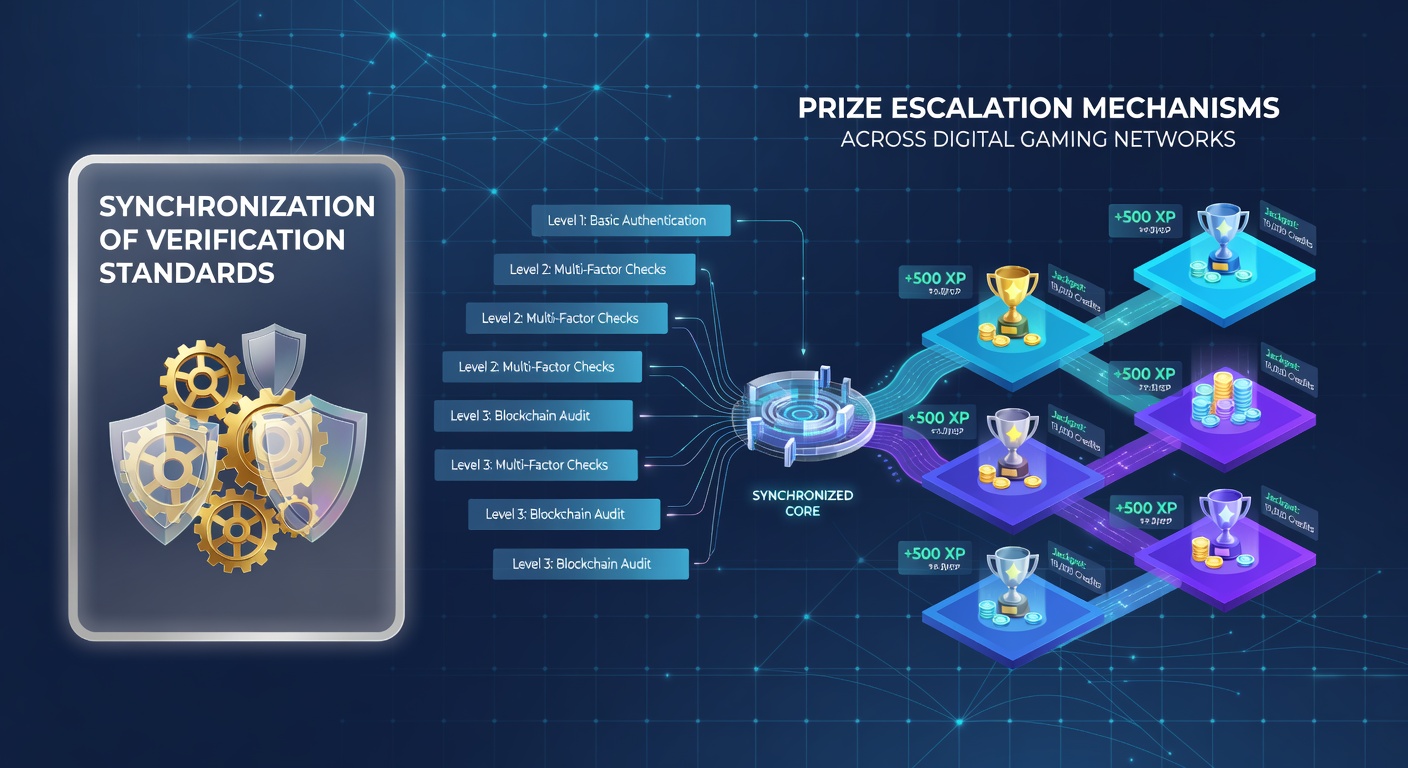
The Synchronization of Verification Standards with Prize Escalation Mechanisms Across Digital Gaming Networks
Digital gaming networks have expanded rapidly in recent years and verification standards now align directly with systems that escalate prizes across multiple platforms, ensuring each increment ties to authenticated user data while maintaining compliance across jurisdictions.
Verification protocols require real-time identity confirmation before players access escalating prize pools and this process synchronizes with backend mechanisms that adjust jackpot values based on contribution rates from verified accounts only, preventing unauthorized entries from influencing prize growth.
Core Components of Verification Standards
Standards for verification incorporate multi-factor authentication layers combined with biometric checks and database cross-references, while prize escalation mechanisms track aggregate contributions from these verified sessions to calculate progressive increments in real time.
Observers note that synchronization occurs through shared application programming interfaces that update both verification status and prize ledgers simultaneously, so any change in a player's verified eligibility immediately affects their ability to participate in the next escalation cycle.
How Prize Escalation Integrates with Network Protocols
Prize escalation works by pooling a percentage of wagers from connected games into central funds that grow until triggered, yet these funds only accept inputs from accounts that pass ongoing verification audits at regular intervals throughout play sessions.
Researchers have documented cases where networks in multiple regions link verification servers to prize controllers using encrypted data streams, allowing escalation formulas to factor in only contributions that meet current compliance thresholds set by regional authorities.
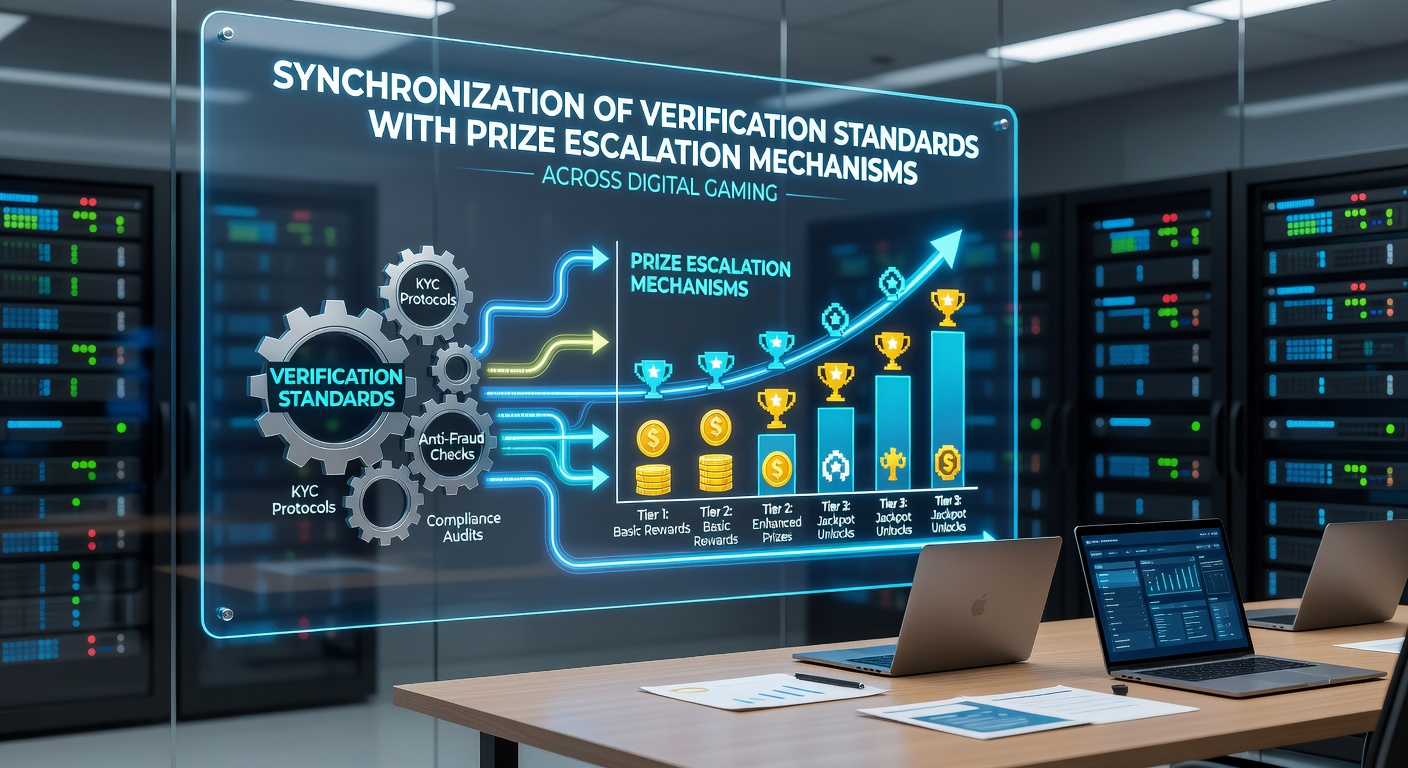
As of June 2026, several platforms reported adjustments to their escalation algorithms following updates in verification requirements across North American and European operators, with data showing tighter coupling between identity logs and contribution tracking.
Regional Approaches to Synchronization
European operators often reference guidelines from the European Gaming and Betting Association when aligning verification with prize systems, whereas Canadian networks follow frameworks developed by the Canadian Gaming Association that emphasize synchronized audit trails for both player status and jackpot progression.
These approaches differ in technical implementation but share the requirement that prize escalation pauses or redirects when verification flags arise, creating a feedback loop that protects network integrity across borders.
One study from academic gaming research centers revealed that synchronized systems reduced discrepancies in prize allocation records by significant margins compared to earlier decoupled models, with figures indicating improved traceability in multi-jurisdiction draws.
Technical Mechanisms Driving Alignment
Backend databases store verification timestamps alongside wager logs and escalation engines query these records before applying contribution multipliers, so the prize value reflects only activity from continuously validated participants.
Network operators deploy middleware layers that translate verification outcomes into permission tokens for prize participation, ensuring escalation remains proportional to verified activity rather than raw transaction volume.
What's interesting is how these tokens update dynamically during extended sessions, allowing prize mechanisms to recalibrate on the fly while verification checks continue in parallel without interrupting play flow.
Challenges in Maintaining Synchronization
Latency issues can arise when verification servers experience high loads during peak periods and prize escalation calculations must wait for updated status feeds, leading some networks to implement buffered contribution models that hold increments until verification clears.
Cross-border data sharing agreements help maintain consistency, yet differences in regulatory timelines sometimes create temporary desynchronizations that operators address through manual overrides documented in compliance reports.
Conclusion
The synchronization of verification standards with prize escalation mechanisms continues to evolve as digital gaming networks incorporate newer authentication technologies and refined escalation formulas, with ongoing developments tracked through industry reports and regulatory updates into mid-2026 and beyond.