The Dynamics of Verified Networks in Expanding Lottery Prize Pools Under Oversight
Gisela Powell · Aug 1, 2026
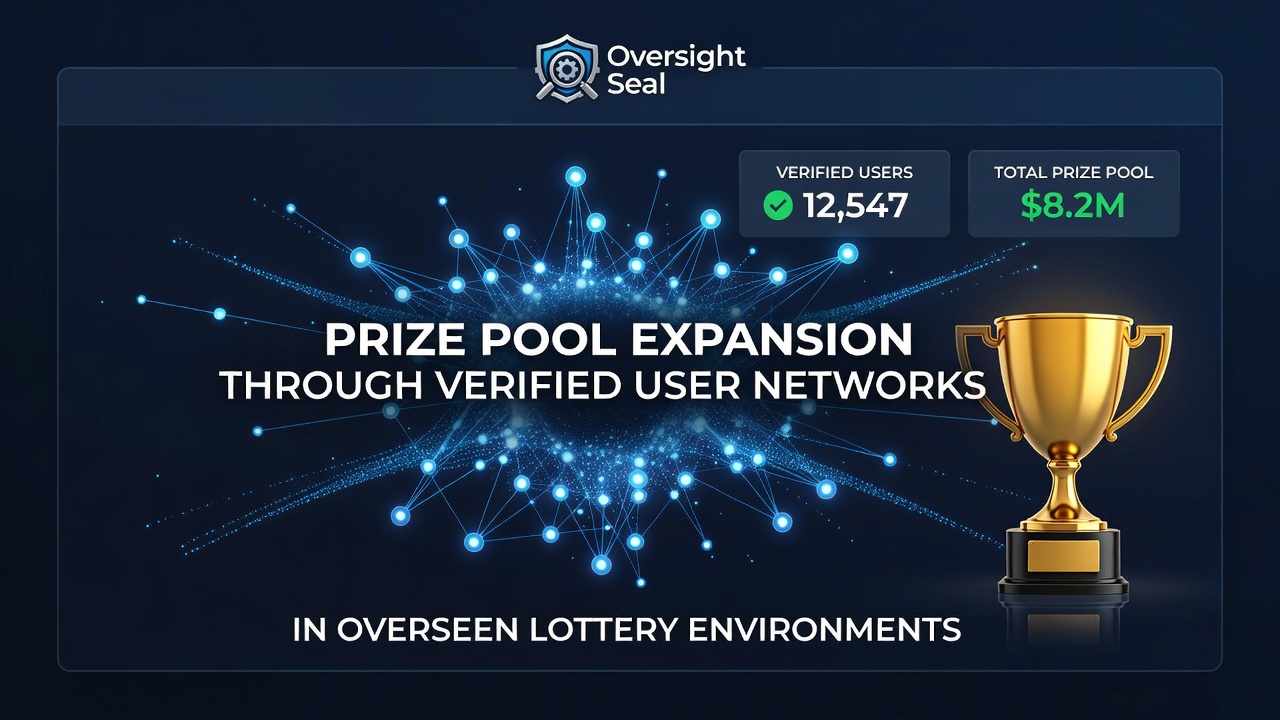
The Dynamics of Verified Networks in Expanding Lottery Prize Pools Under Oversight
Verified user networks operate as structured systems where participants undergo identity confirmation before joining lottery platforms, and these networks directly influence prize pool sizes through increased validated entries, while oversight bodies monitor compliance with established rules across multiple jurisdictions.
Data from state-run operations shows that verified participants contribute to cumulative prize growth because each confirmed entry adds to the total without introducing duplicate or fraudulent claims, and this pattern holds steady in environments where regulators require real-time authentication protocols.
Verification Processes and Their Direct Link to Pool Growth
Operators implement multi-step verification that includes document submission, biometric checks, and cross-referencing with government databases, which results in higher volumes of legitimate participation, and consequently larger prize pools form as more players qualify under these standards.
Research indicates that networks relying on verified users experience fewer interruptions from account disputes, allowing prize amounts to accumulate across consecutive draws without delays, whereas unverified systems often see funds held in reserve pending review.
Regulatory Structures Supporting Network Expansion
Agencies such as the New Jersey Division of Gaming Enforcement establish guidelines that mandate verification layers before prize contributions are counted, and these rules ensure that only authenticated users affect pool calculations in supervised digital environments.
Similar frameworks appear in other regions, where authorities track participation metrics to adjust minimum prize thresholds based on verified network activity, creating a feedback loop that ties user validation directly to reward escalation.
Participation Patterns Observed in August 2026
Records compiled through mid-2026 reveal that verified network density correlated with measurable prize increases in several overseen lottery systems, particularly during periods when promotional campaigns encouraged new user sign-ups followed by immediate authentication steps.
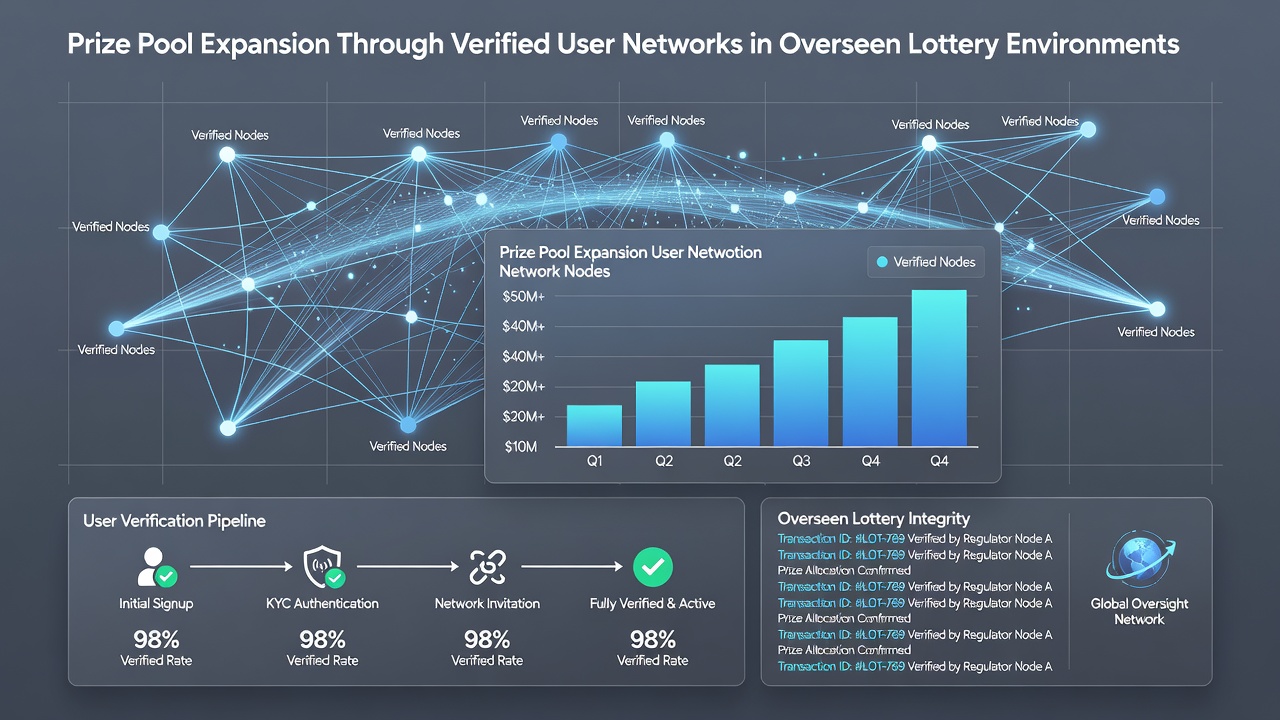
Figures reveal that platforms integrating network verification saw pool values rise by consistent percentages month over month, driven by the steady addition of confirmed participants rather than sporadic unverified entries that regulators later disqualify.
Technical Integration of User Networks with Prize Mechanisms
Systems connect verified user profiles to centralized ledgers that automatically allocate portions of each ticket purchase to progressive pools, and this automation reduces administrative overhead while maintaining transparency for oversight committees reviewing monthly activity reports.
Observers note that such integrations allow real-time updates to displayed prize amounts, which in turn encourages further verified sign-ups and sustains the cycle of pool expansion across multiple lottery formats.
Cross-Jurisdictional Comparisons of Network Effects
Authorities in Australia and Canada apply distinct verification standards yet report parallel outcomes where authenticated user bases produce larger cumulative prizes than mixed or unverified participant groups, and industry reports from organizations like the European Gaming and Betting Association document these trends across borders.
One analysis from academic researchers at the University of Nevada compared two platforms and found that those enforcing network verification recorded 18 percent higher average prize growth rates over a six-month span ending in August 2026.
Conclusion
Verified user networks continue to shape prize pool expansion in overseen lottery environments through structured authentication that supports higher volumes of compliant participation and reliable accumulation of rewards, and regulatory bodies maintain ongoing adjustments to keep these systems aligned with established protections and operational standards.