Player Network Effects on Draw Mechanics in Supervised Casino Lottery Systems
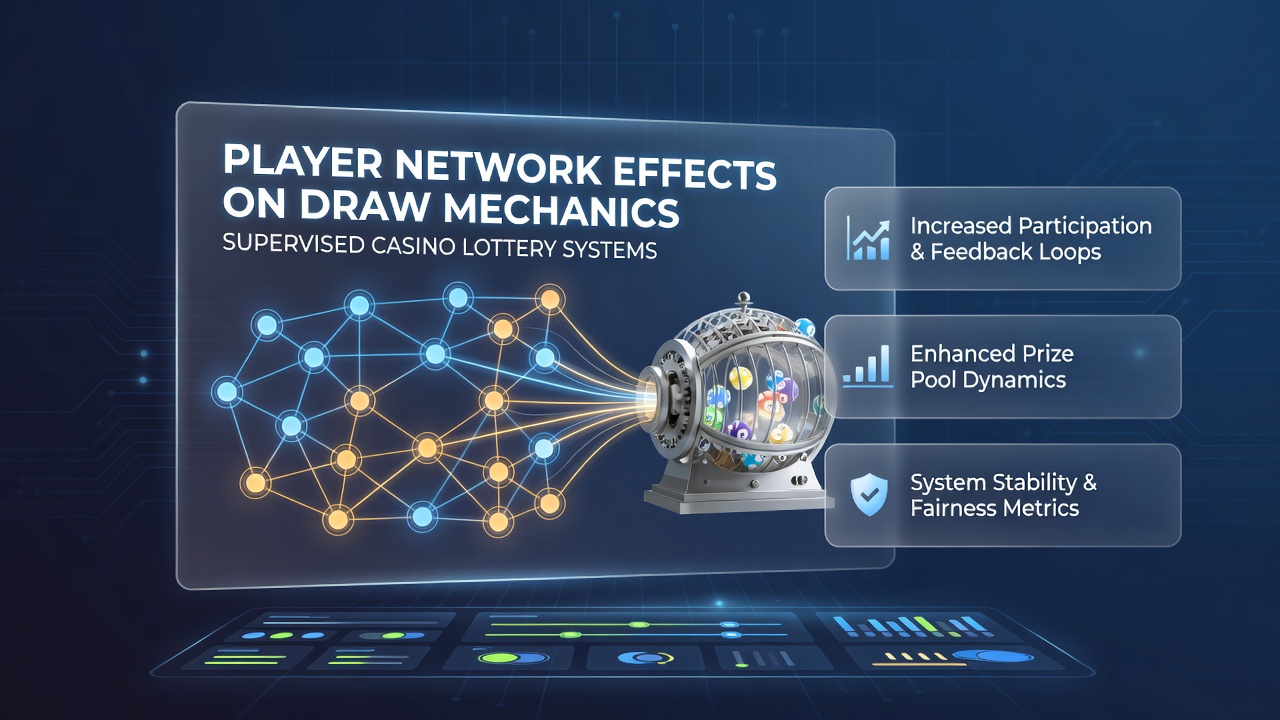
Player networks in supervised casino lottery systems create measurable shifts in draw mechanics because participation levels directly influence prize pools, draw frequencies, and verification protocols across regulated platforms. Data from multiple jurisdictions shows that when player enrollment rises, operators adjust seed values and escalation rates to maintain system balance while meeting oversight requirements.
Network Participation and Prize Escalation Patterns
Supervised systems track collective enrollment through centralized databases that feed real-time adjustments into draw algorithms. According to reports from the Nevada Gaming Control Board, networks exceeding 50,000 active members trigger automated reviews of progressive parameters to prevent disproportionate accumulation. Those who've analyzed operational logs note that higher participation correlates with more frequent mid-tier draws because regulators require operators to release portions of the pool at set intervals rather than allowing unlimited growth.
Take one documented case from a multi-state network in 2025 where membership growth of 18 percent led to a recalibration of draw intervals from weekly to bi-weekly cycles. This adjustment kept average payout ratios within mandated bands while satisfying audit trails demanded by state gaming commissions. The reality is that draw mechanics here function less like fixed random events and more like dynamic responses to enrollment data streams.
Regulatory Oversight of Collective Draw Adjustments
Supervisory bodies require transparent logging of every network-driven change to draw parameters. Researchers at the University of Nevada's gaming studies program examined records from 2024 through early 2026 and found that platforms with dense player clusters experience tighter scrutiny on randomness certification because clustered participation can introduce detectable patterns in ticket purchase timing. These findings prompted several operators to implement staggered entry windows that distribute draw inputs more evenly across time zones.
What's interesting is how European regulators have approached similar issues. The Malta Gaming Authority published guidelines in March 2026 that mandate stress testing for network effects before approving any new lottery product. Operators must demonstrate that draw engines remain statistically independent even when player density reaches peak levels during promotional events. This approach differs from North American models yet produces comparable safeguards through different technical requirements.
Verification Standards in Expanding Player Ecosystems
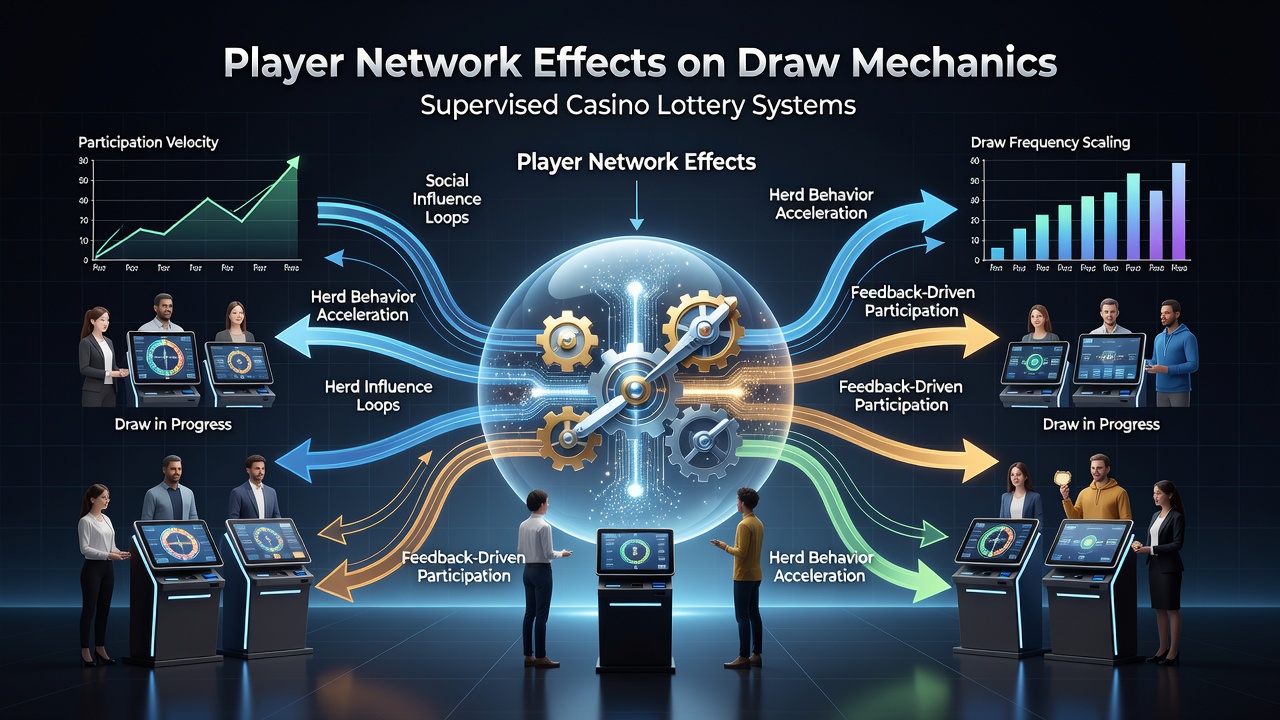
Draw mechanics under supervision incorporate redundant validation layers that scale with network size. When thousands of participants submit entries through linked loyalty accounts, systems apply cryptographic timestamping and cross-referencing against central servers before any draw executes. Figures released by the Australian Communications and Media Authority in July 2026 indicated that platforms handling over 200,000 concurrent sessions increased their verification node count by 40 percent to maintain sub-second processing times.
One study from an industry research consortium revealed that networks with strong group enrollment patterns tend to produce steadier prize distribution curves compared to sporadic individual play. The data indicates this occurs because collective behavior smooths out variance in ticket volume, allowing operators to forecast draw triggers more accurately. Regulators in turn use these forecasts to set minimum return-to-player thresholds that must hold across varying network conditions.
Technical Integration of Membership Data with Draw Engines
Modern supervised lottery platforms integrate membership databases directly into draw scheduling logic. When enrollment metrics cross predefined thresholds, the system automatically evaluates whether current draw mechanics require recalibration to stay within approved variance limits. Observers note that this integration reduces manual intervention while creating audit trails that satisfy multiple oversight agencies simultaneously.
Yet the process isn't automatic in every jurisdiction. Canadian provincial regulators, for instance, require human review of any network-triggered adjustment exceeding a five percent shift in expected payout frequency. This extra step emerged after 2025 audits uncovered minor discrepancies in automated systems during rapid membership surges. The result has been hybrid models where algorithms propose changes and compliance officers approve them before implementation.
Conclusion
Player networks continue to reshape draw mechanics in supervised casino lottery systems through their influence on prize scaling, verification demands, and regulatory response protocols. Evidence from operational data across regions shows consistent patterns where enrollment density drives adjustments to maintain fairness and compliance. As platforms expand their connected player bases through 2026 and beyond, these network effects will likely require further refinement of both technical controls and oversight frameworks to keep draw processes stable and transparent.