Patterns of Collective Involvement Shaping Progressive Award Mechanisms Across Digital Platforms
Anna Werner · Jun 29, 2026
Patterns of Collective Involvement Shaping Progressive Award Mechanisms Across Digital Platforms
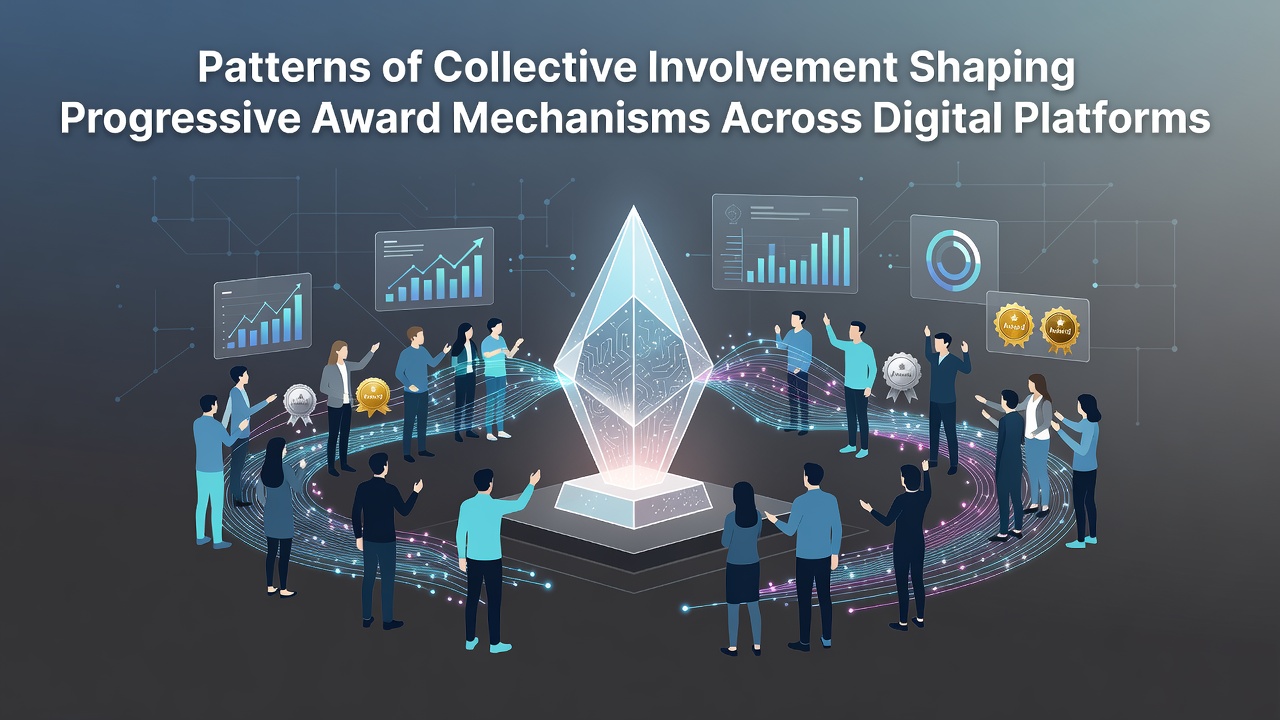
Digital platforms have long relied on progressive award mechanisms where prize pools grow through accumulated contributions from participants and patterns of collective involvement determine how quickly these pools expand along with how access rules evolve over time. Researchers have documented these dynamics across online lottery systems and casino networks since the early 2010s with group enrollment playing a central role in scaling rewards beyond individual contributions alone.
Historical Development of Group-Driven Progressives
Early digital chance operations introduced progressive jackpots as standalone features but by the mid-2010s platform operators noticed that pooled participation from member networks accelerated growth rates significantly. Data from the American Gaming Association shows that networks incorporating collective enrollment options experienced 30 to 40 percent faster prize escalation compared to solo-entry models because each new member added incremental funding while shared visibility encouraged sustained involvement from existing users. Regulatory frameworks in regions such as Nevada and Ontario adapted accordingly with the Nevada Gaming Control Board publishing updated guidelines in 2018 that addressed pooled contribution tracking and the Alcohol and Gaming Commission of Ontario released parallel standards in 2019 focused on transparent distribution of group-sourced increments.
Mechanisms in Operation as of June 2026
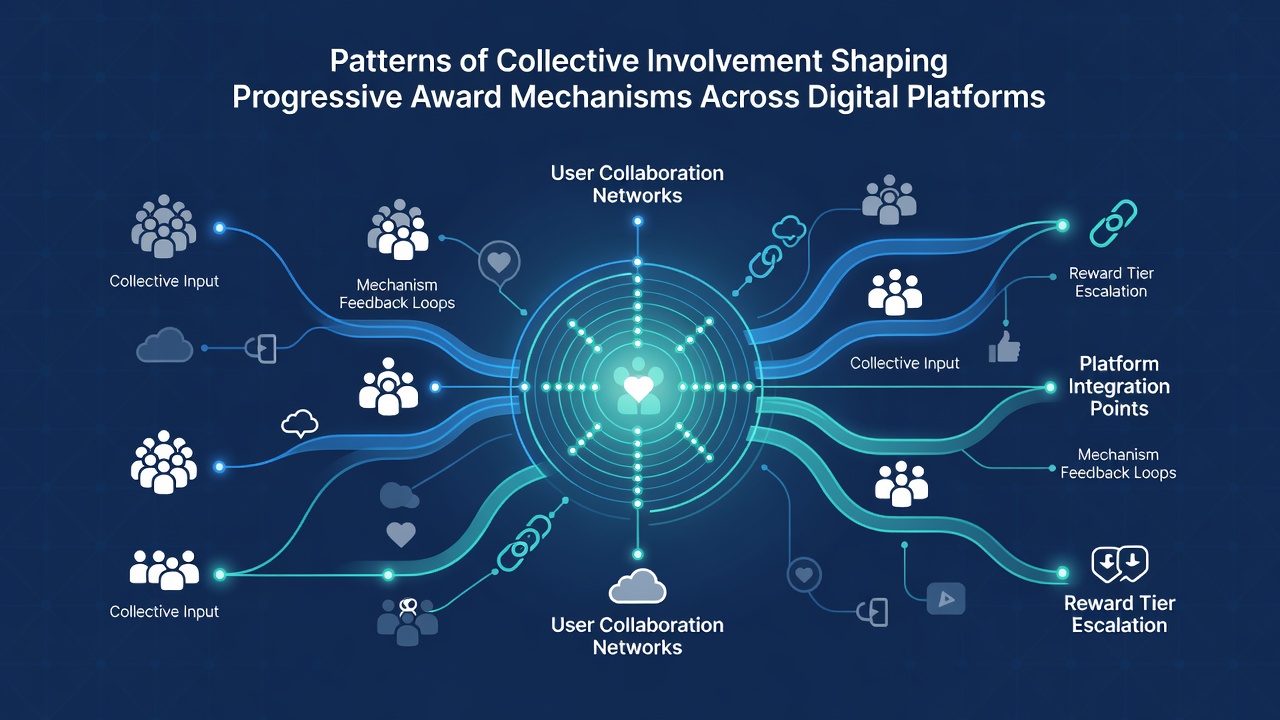
By June 2026 digital platforms had refined these systems to link collective metrics directly to award multipliers with algorithms adjusting growth rates based on real-time enrollment density and participation frequency. Platforms track variables such as average group size per session alongside retention patterns within member clusters and these inputs feed into escalation formulas that prioritize networks demonstrating consistent cross-user activity. Studies conducted by the University of Nevada's International Gaming Institute indicate that platforms employing density-based multipliers recorded higher overall contribution volumes during the first half of 2026 with collective clusters accounting for the majority of incremental prize pool additions in supervised environments. Operators integrate verification protocols that confirm group authenticity before applying accelerated rates which prevents artificial inflation while maintaining compliance with oversight requirements from multiple jurisdictions.
Geographic Variations in Collective Patterns
European platforms operating under Malta Gaming Authority oversight adopted cluster-based contribution models earlier than many North American counterparts and this led to distinct escalation curves where regional member density influenced cross-border prize sharing arrangements. Australian digital operators following directives from state-level regulators implemented similar features by 2024 which resulted in documented increases in progressive pool sizes during peak enrollment periods. Observers note that these geographic differences stem from varying legal thresholds for group participation rather than uniform global standards with each authority tailoring rules to local participant protection priorities. In practice platforms adjust their internal algorithms to satisfy the strictest applicable requirements when serving users across multiple regulatory zones.
Data Patterns and Research Findings
Longitudinal analyses reveal consistent correlations between collective involvement density and progressive award velocity across diverse platform types. Figures compiled by industry research groups show that sessions involving four or more linked participants generate contribution rates up to 2.5 times higher than isolated entries because shared progress indicators prompt additional micro-contributions from within the group. Academic papers from institutions examining digital chance systems further highlight that retention within these clusters remains elevated when award visibility includes real-time group attribution which reinforces continued participation patterns. Platforms respond by refining dashboard designs that display collective milestones alongside individual progress which sustains momentum without altering core randomization protocols.
Integration with Oversight and Verification Standards
Regulatory bodies require platforms to maintain auditable records of how collective inputs affect award calculations and these records undergo periodic review to confirm alignment with mandated fairness criteria. In June 2026 several jurisdictions expanded reporting obligations to include granular breakdowns of group versus solo contributions which enables more precise monitoring of systemic patterns. Verification technologies such as blockchain-ledger entries now supplement traditional audit trails allowing regulators to trace incremental additions back to specific enrollment clusters while preserving user anonymity where required. This layered approach supports both operational transparency and participant protections without restricting the natural growth dynamics driven by collective involvement.
Conclusion
Patterns of collective involvement continue to shape progressive award mechanisms through measurable effects on contribution volume, growth velocity, and regulatory adaptation across digital platforms. Evidence from multiple oversight agencies and academic sources demonstrates that enrollment density and group retention directly influence how prizes scale while verification frameworks evolve in parallel to accommodate these dynamics. As platforms refine their systems in response to ongoing data collection the interplay between collective participation and award escalation remains a core operational element in supervised digital chance environments.