Oversight Structures Shaping Loyalty Incentives in Growing Prize Networks for Digital Chance Events
Yara Coleman · May 21, 2026

Oversight Structures Shaping Loyalty Incentives in Growing Prize Networks for Digital Chance Events
Regulatory bodies across multiple jurisdictions maintain structured oversight that directly influences how loyalty incentives develop within expanding digital prize networks, and those networks continue to incorporate chance-based events such as online draws and cumulative jackpot systems. In May 2026 several North American regulators updated compliance checklists that now require loyalty programs to separate promotional credits from actual prize pools, a change that operators must implement before the end of the second quarter.
Core Oversight Mechanisms at Work
State and provincial agencies establish clear rules that govern player tracking, reward tiers, and redemption processes in digital environments, and these rules often require independent audits of point issuance systems to prevent overlap between loyalty benefits and regulated draw funds. Observers note that such separation protects prize integrity while still allowing operators to build engagement through tiered membership structures that reward consistent participation in chance events.
Canada's Alcohol and Gaming Commission of Ontario publishes annual compliance reports that detail how loyalty incentives must align with responsible gaming protocols, and data from those reports shows that networks integrating real-time monitoring tools experience fewer discrepancies in prize allocation. European regulators have adopted similar approaches through centralized reporting portals that track every loyalty transaction tied to digital chance events, creating transparent audit trails that extend from initial registration through final payout.
Loyalty Program Design Under Regulatory Scrutiny
Operators design tiered reward systems that grant bonus entries or accelerated point accumulation for players who meet activity thresholds, yet each element must pass review by oversight committees before deployment. Research from industry associations indicates that programs which tie loyalty multipliers directly to verified draw participation maintain higher compliance rates than those using generic activity metrics. The result appears in standardized contract language that specifies exact conversion rates between loyalty points and additional entries into progressive prize pools.
Take one large network that adjusted its membership structure in early 2026 after regulators flagged potential commingling of funds, and that adjustment replaced flat bonus credits with draw-specific entries that remain fully segregated. Such modifications illustrate how oversight structures force iterative changes that keep loyalty incentives functional yet contained within approved boundaries.
Growth Patterns in Prize Networks
Digital chance event platforms have expanded rapidly because mobile access and instant result verification reduce friction for participants, and loyalty incentives accelerate that growth by creating repeat engagement loops. Figures released by the National Council on Problem Gambling reveal steady increases in registered accounts across networks that combine progressive jackpots with visible loyalty dashboards. Those dashboards display both accumulated points and upcoming draw eligibility in a single interface, a format that regulators now encourage to improve transparency.
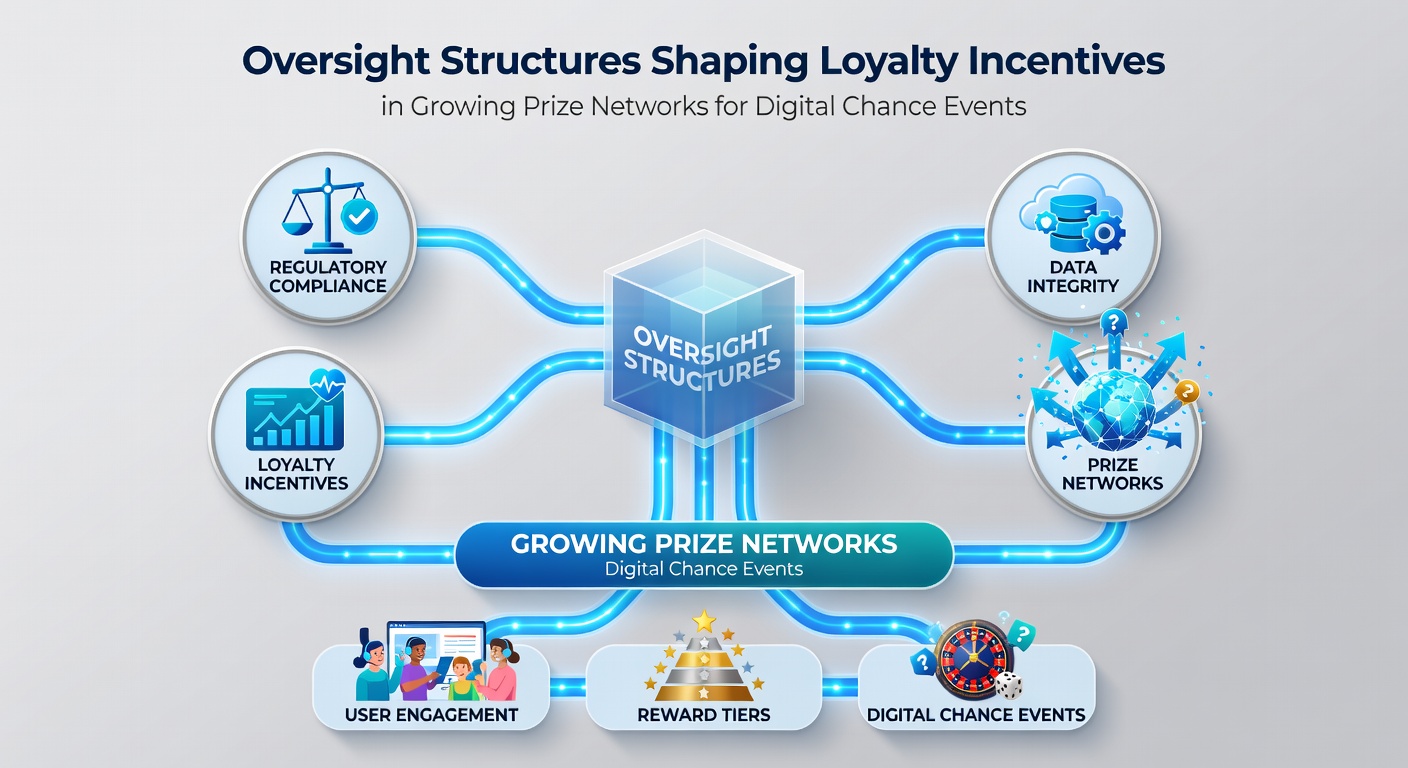
What's interesting is how multi-jurisdictional networks must satisfy differing oversight requirements simultaneously, and that necessity has led to modular software architectures that activate or deactivate specific incentive features based on player location. One study released by a university gaming research center found that networks using geo-fenced loyalty modules reported fewer regulatory queries during the first quarter of 2026 compared with earlier unified systems.
Player Protection Measures Embedded in Incentives
Oversight frameworks require spending limits and reality-check prompts within loyalty interfaces, and these prompts interrupt point accumulation when thresholds are reached. Such interruptions prevent unchecked escalation while still preserving the incentive structure for players who remain within approved limits. Australian regulatory bodies have documented cases where networks that embedded mandatory cooling-off periods into their loyalty tiers recorded lower rates of escalated player complaints.
Networks that link loyalty progression to verified identity checks also satisfy know-your-customer rules more efficiently, and this linkage reduces duplicate accounts that could otherwise exploit incentive programs. Observers note that the same verification step feeds into draw eligibility lists, creating a single data pipeline that serves both marketing and compliance needs.
Future Adjustments Anticipated by Mid-2026
Regulators continue to review how emerging technologies such as blockchain-based draw verification interact with existing loyalty frameworks, and early guidance suggests that immutable ledgers may soon become mandatory for tracking point redemptions tied to prize events. Networks already piloting these ledgers report smoother audit processes because every transaction carries a timestamp and cryptographic signature that regulators can query directly.
Conclusion
Oversight structures therefore function as both constraints and design parameters that shape loyalty incentives inside growing digital prize networks, and those parameters continue to evolve in response to technological and jurisdictional developments. Operators who maintain flexible systems capable of incorporating new compliance layers position themselves to sustain incentive programs that remain attractive to participants while satisfying regulatory expectations across multiple regions. The pattern observed through 2026 indicates that successful networks treat oversight requirements as integral components of program architecture rather than after-the-fact adjustments.