Mobile App Features Driving Entry Patterns in Multi-Regional Synchronized Chance Pools
Yara Coleman · Jun 20, 2026
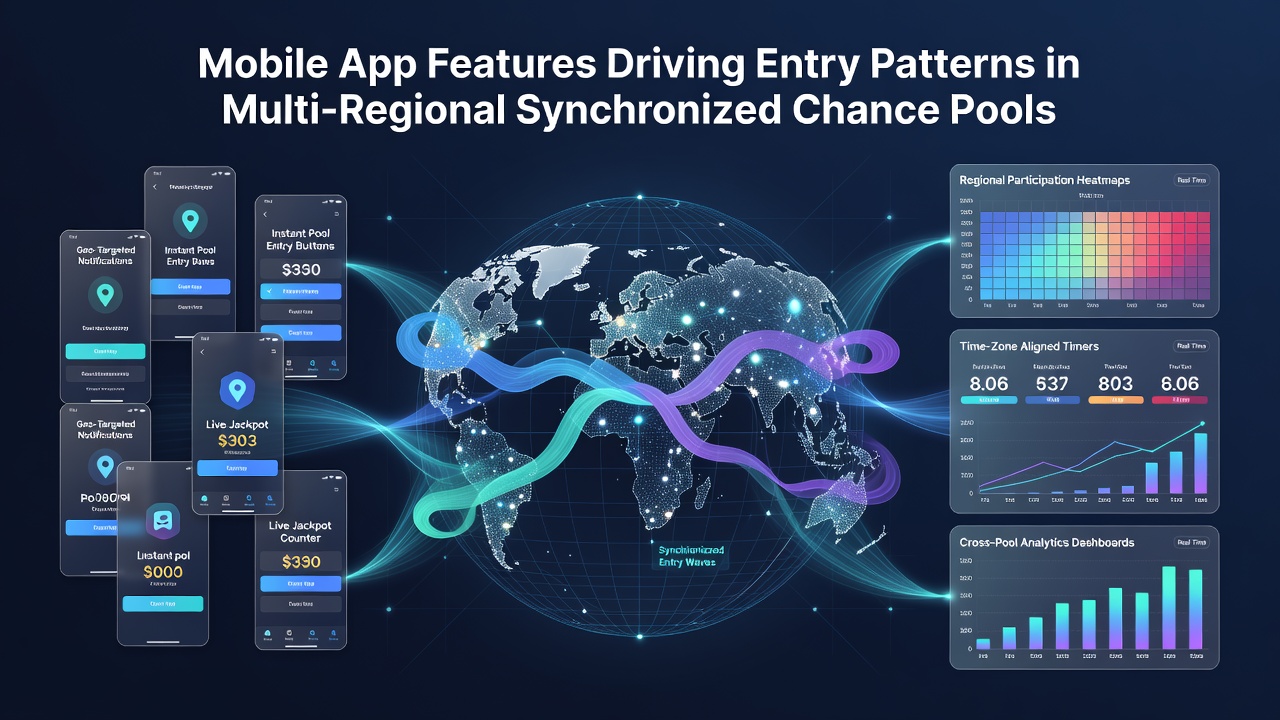
Mobile App Features Driving Entry Patterns in Multi-Regional Synchronized Chance Pools
Data from multi-regional gaming networks shows that mobile app features have become central to how participants engage with synchronized chance pools, where entries from different jurisdictions feed into shared prize structures. These systems coordinate draws and contributions across borders, and app design elements directly influence the timing, frequency, and volume of user entries.
Interface Design and Entry Timing
App layouts that prioritize quick-entry buttons and simplified selection screens correlate with higher participation rates during synchronized draw windows. Users tend to complete entries faster when the interface reduces steps between pool selection and confirmation, according to patterns tracked in North American lottery systems. Features such as saved preferences and one-tap repeat entries further shape daily and weekly rhythms, allowing participants to maintain consistent involvement across time zones without repeated manual input.
Visual cues like countdown timers and live pool balance indicators keep users aware of synchronization points, prompting entries just before cutoffs that align multiple regions. Observers note that these elements create predictable spikes in activity, especially when pools reach milestone thresholds that trigger visible progress animations.
Notification Systems and Regional Coordination
Push notifications tied to synchronization events drive measurable shifts in entry patterns. Alerts about pool mergers or approaching draw deadlines from multiple regions arrive at optimized times based on user location data, encouraging cross-regional participation that would otherwise remain separate. Studies from the International Gaming Institute at the University of Nevada have documented how notification frequency and personalization affect the distribution of entries throughout the day.
Apps that allow users to set regional preferences receive higher engagement during synchronized events, as participants can monitor several jurisdictions simultaneously. This capability expands entry windows beyond single-region schedules and supports more even distribution across global time zones.
Payment Integration and Transaction Speed
Seamless payment gateways embedded in the app reduce friction at the moment of entry, particularly when synchronized pools require contributions from different currency zones. Systems that handle automatic currency conversion and instant confirmation show elevated entry volumes during peak synchronization periods. Data tracked through June 2026 indicates that apps integrating digital wallets see faster transaction completion compared to those requiring external redirects.
Security features such as biometric authentication further support these patterns by shortening the verification process while maintaining compliance with regional standards. Participants who complete payments in fewer steps tend to enter multiple pools within the same synchronized cycle.
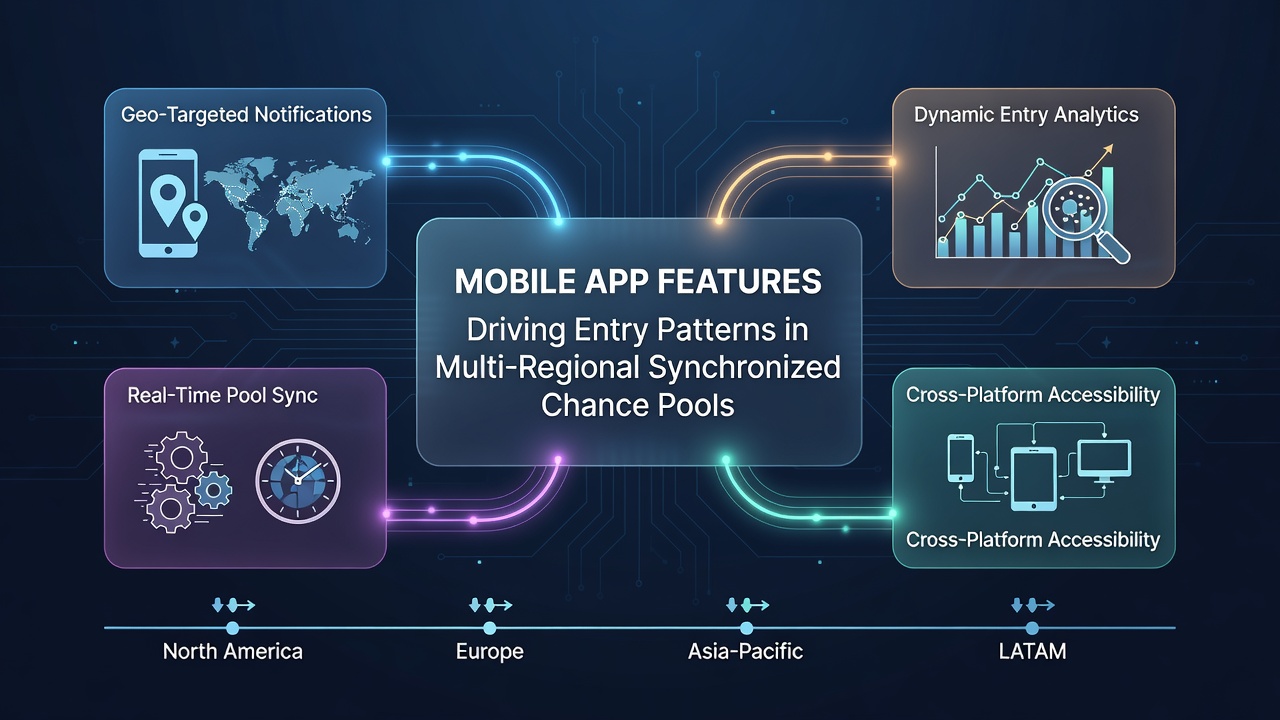
Geolocation and Compliance Controls
Built-in geolocation tools ensure entries align with jurisdictional rules while enabling participation in multi-regional pools. Apps that verify location in real time allow users to switch between regional interfaces without leaving the main platform, which streamlines entry into synchronized events. This functionality proves especially relevant when regulatory requirements differ across participating areas, as the app can surface only eligible pools based on detected position.
Research from the Australian Institute of Criminology highlights how location-aware features help maintain compliance without disrupting user flow, resulting in steadier entry patterns across synchronized cycles. Users report fewer interruptions when the app automatically adjusts available options according to current location.
Social and Sharing Tools
Integrated sharing options within the app influence entry patterns by allowing participants to invite others into the same synchronized pools. Features that display group contribution totals or shared progress toward pool milestones encourage collective entry activity, particularly when synchronized draws span several regions. These tools create visible momentum that draws additional entries during active coordination periods.
Apps incorporating leaderboards or community updates tied to specific pools show concentrated entry activity around synchronization deadlines. Participants often respond to visible peer activity by increasing their own involvement within the same cycle.
Data Analytics Driving Feature Refinement
Developers use aggregated entry data to adjust app features that directly affect participation across synchronized pools. Metrics on drop-off points, peak entry times, and regional preferences guide updates to interface elements and notification schedules. Through June 2026, networks employing these analytics have refined synchronization timing to match observed user behavior across multiple jurisdictions.
Continuous monitoring of these patterns helps maintain alignment between app functionality and the operational requirements of multi-regional chance pools, supporting consistent entry distribution over time.
Conclusion
Mobile app features continue to shape how users interact with multi-regional synchronized chance pools through interface efficiency, notification timing, payment speed, location controls, and social elements. These components work together to influence when and how frequently participants submit entries across coordinated systems. Ongoing refinements based on usage data support the alignment of app design with the operational demands of synchronized chance environments.