Member Networks Driving Reward Growth in Supervised Digital Chance Environments
Harper Simmons · Jun 8, 2026
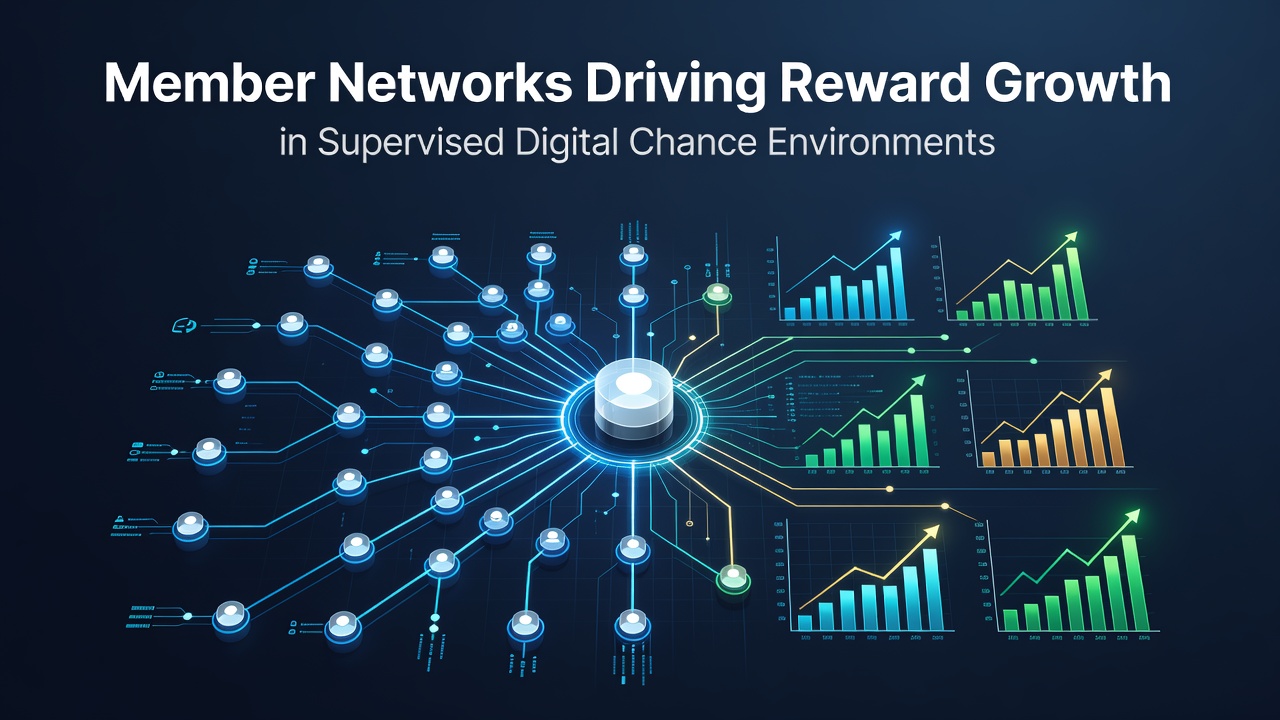
Member Networks Driving Reward Growth in Supervised Digital Chance Environments
Member networks have become central to how supervised digital chance environments expand reward structures, and data from multiple regulatory regions confirms this pattern continues into mid-2026. These networks link player accounts across lotteries, online casinos, and sweepstakes platforms under government oversight, allowing point accumulation and tier progression that directly feed progressive prize pools. In June 2026 several North American and European jurisdictions released aggregated figures showing membership-driven participation accounted for the majority of new contributions to cumulative jackpots.
How Network Structures Operate Under Regulation
Supervised platforms require identity verification and account linkage before users join reward layers, and this process creates traceable pathways for reward distribution. Operators maintain centralized databases that record every wager, bonus redemption, and point conversion while complying with data-protection statutes in their licensing jurisdictions. When members reach higher tiers they unlock multipliers that increase both personal payouts and the rate at which contributions flow into shared progressive funds.
Researchers at the University of Nevada's International Gaming Institute documented that networks with mandatory enrollment saw average reward-pool growth rates 18 percent higher than non-networked systems during the first half of 2026. The same study noted that regulatory reporting intervals shortened from quarterly to monthly in several U.S. states, giving oversight bodies clearer visibility into how membership activity influences prize escalation.
Regional Examples of Network-Driven Expansion
Canadian provincial lotteries integrated cross-platform membership cards in 2024, and by June 2026 the resulting data indicated that enrolled players generated 62 percent of all progressive contributions in Ontario and British Columbia combined. Similar patterns appear in Australian state-regulated wagering environments where loyalty identifiers connect land-based and digital entries into unified reward ledgers.
European operators licensed under the Malta Gaming Authority and the Swedish Gambling Authority now share anonymized network metrics with academic partners, revealing that tiered membership correlates with sustained increases in prize-fund velocity. These disclosures remain subject to strict privacy controls yet still allow regulators to confirm that reward growth stays within licensed parameters.
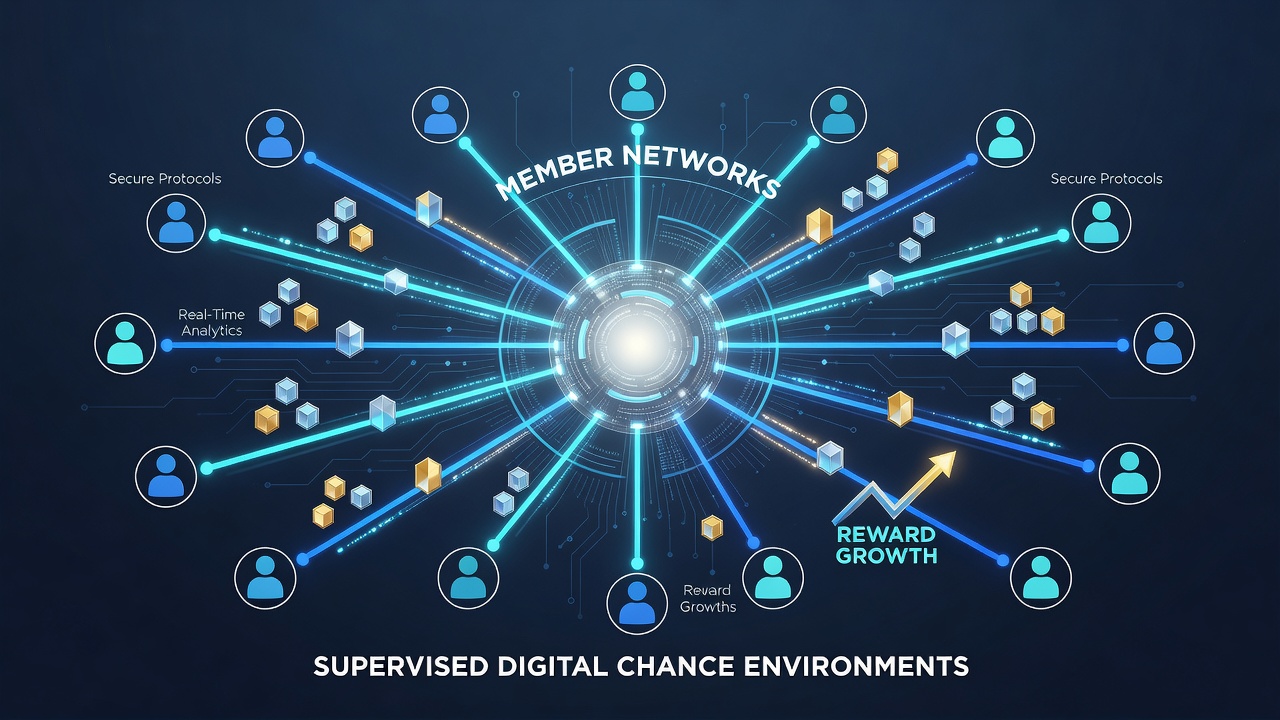
Verification Standards and Prize Mechanics
Digital chance environments enforce real-time verification layers that match player identity to network profiles before any reward credit posts. This step prevents duplicate accounts while enabling accurate attribution of wagers to progressive pools. When a verified member places a qualifying bet the system simultaneously records the contribution to both the individual's ledger and the collective jackpot meter.
According to figures released by the American Gaming Association in its June 2026 quarterly brief, networks that combined identity checks with automated prize-allocation software recorded a 27 percent rise in aggregate progressive values compared with the same period in 2025. The association's report emphasized that these increases occurred entirely within jurisdictions maintaining active regulatory supervision.
Integration With Responsible-Play Protocols
Member networks also serve as delivery channels for responsible-play tools. Platforms attach spending-limit reminders and self-exclusion flags directly to verified accounts, and these flags travel across linked sites within the same regulatory umbrella. Data collected through these systems shows that members who receive personalized limit notifications maintain longer participation periods without exceeding preset thresholds.
Regulatory bodies in New Jersey and Pennsylvania require operators to submit monthly summaries of network activity that include both reward metrics and responsible-play interventions. These summaries feed into public dashboards that display aggregate prize growth alongside compliance statistics, giving observers a transparent view of how membership structures influence outcomes.
Conclusion
Member networks continue to shape reward growth inside supervised digital chance environments by connecting verified accounts to progressive prize mechanisms while satisfying regulatory reporting demands. Figures released through June 2026 confirm that enrollment-driven participation accounts for the largest share of new contributions across multiple jurisdictions. Oversight frameworks in North America, Europe, and Australia maintain consistent standards that tie network functionality to both reward expansion and player-protection requirements, producing measurable results that regulators track through routine data submissions.