Group Registrations Expanding Award Accumulations in Overseen Gaming Lotteries
Harper Simmons · Aug 27, 2026
Group Registrations Expanding Award Accumulations in Overseen Gaming Lotteries
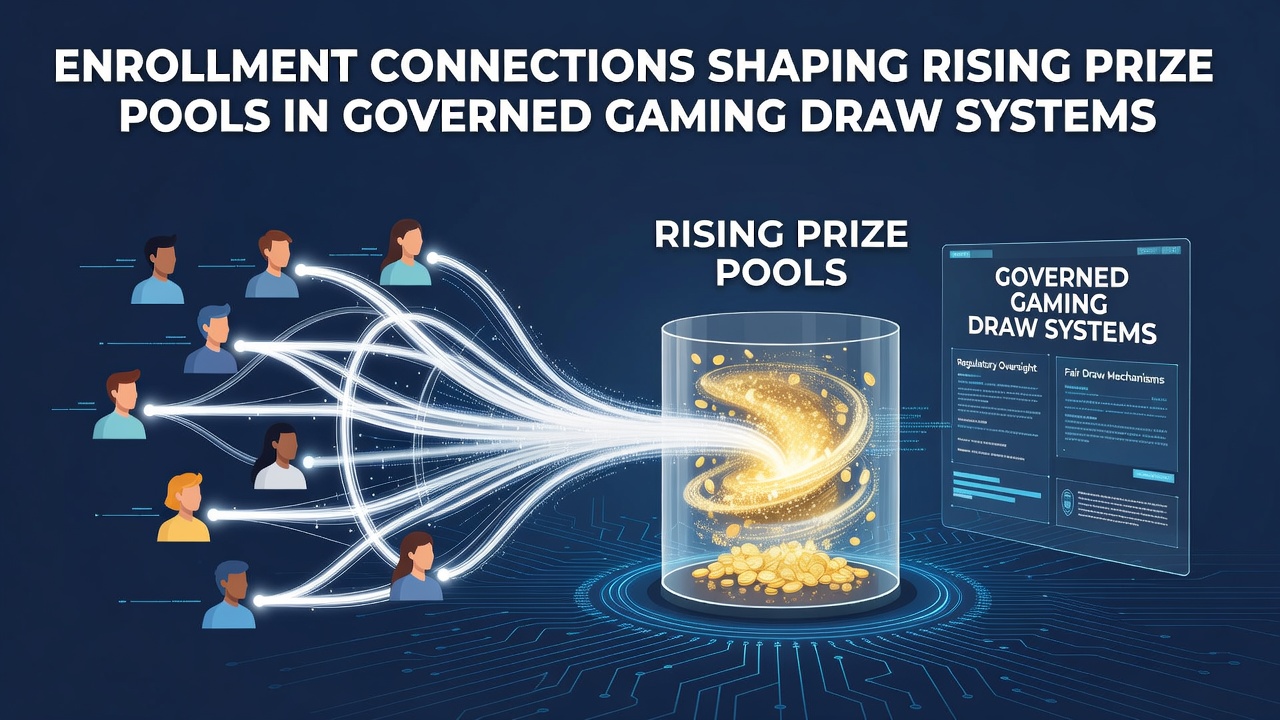
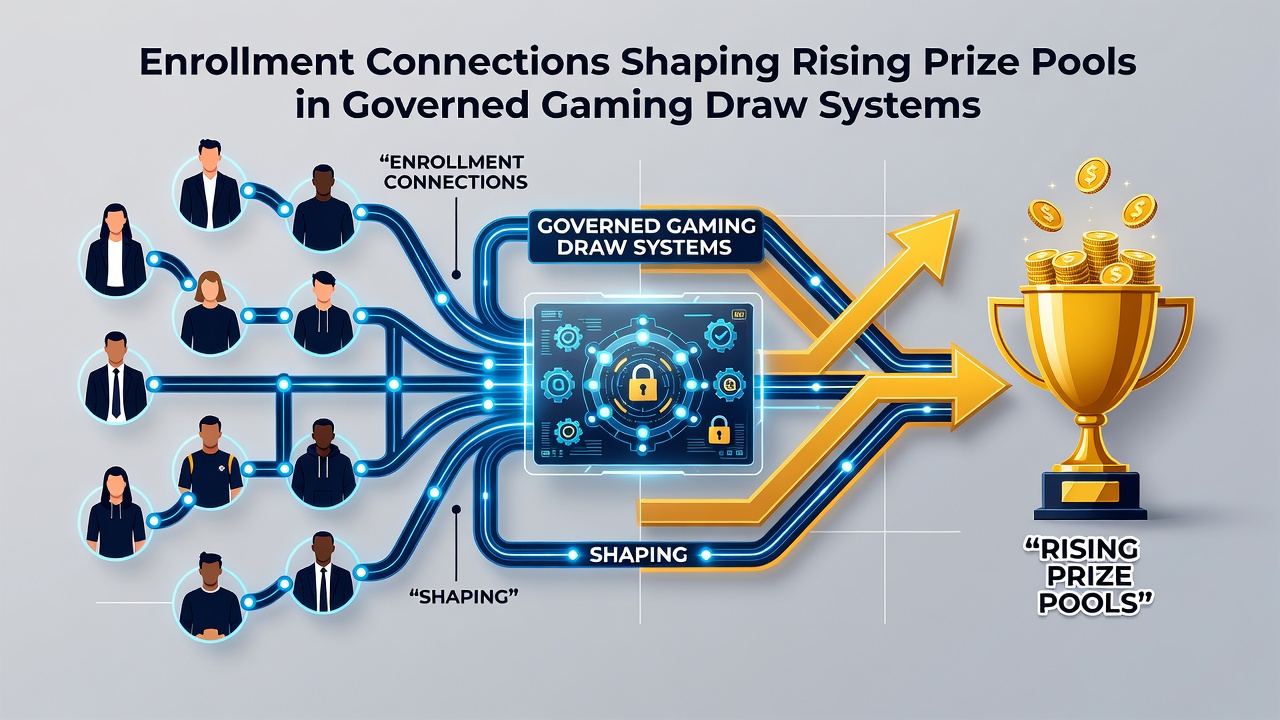
Enrollment mechanisms in governed gaming draw systems link individual and group registrations directly to progressive prize growth through structured contribution models. Data from multiple jurisdictions shows that coordinated sign-up processes channel a fixed percentage of entry fees into shared pools, creating measurable escalation patterns that differ from standalone ticket sales. Regulatory frameworks in places such as Nevada and Ontario require operators to document these flows, ensuring transparency while allowing prize values to compound over successive draws.
Operators track enrollment cohorts by registration date, membership tier, and participation frequency. Systems then allocate portions of each cohort's activity into designated prize tiers, with higher-volume groups accelerating accumulation rates. Figures released by the Nevada Gaming Control Board for the first half of 2026 indicate that networks exceeding 50,000 enrolled participants generated 18 percent larger weekly increments than smaller cohorts operating under identical contribution rules.
Mechanics Linking Registrations to Prize Escalation
Each enrollment triggers an automated allocation sequence that routes a regulated share of the registration fee or wager into one or more progressive funds. Algorithms monitor real-time participation counts and adjust seed amounts when thresholds are met, a process overseen by independent auditors. In August 2026 several platforms reported synchronized enrollment surges following seasonal promotions, resulting in prize pools crossing previously recorded benchmarks within single calendar weeks.
Group registration features allow families, workplace teams, or community organizations to pool entries under one administrative account. Contribution multipliers apply when minimum group sizes are reached, adding an extra layer to standard progressive calculations. Observers note that these multipliers remain capped by statute in most jurisdictions to prevent disproportionate acceleration that could bypass player-protection limits.
Regulatory Requirements Governing Enrollment Data
Authorities mandate that every enrollment record include verification of age, identity, and responsible-gaming acknowledgments before funds enter prize pools. The Alcohol and Gaming Commission of Ontario publishes quarterly summaries detailing how enrollment verification rates correlate with prize-pool integrity metrics. Records from the second quarter of 2026 show verification completion rates above 97 percent across monitored platforms, with incomplete enrollments automatically excluded from progressive calculations.
Operators must maintain audit trails that separate enrollment-driven contributions from general ticket sales. These trails undergo monthly reconciliation by third-party testing laboratories, and discrepancies trigger mandatory adjustments to prize displays. Such protocols ensure that rising prize values remain traceable to documented enrollment activity rather than unverified sources.
Comparative Data Across Jurisdictions
Research compiled by the South Australian Independent Gambling Authority reveals that enrollment-linked progressive systems in that region posted average monthly growth rates of 2.4 percent during the first eight months of 2026. Parallel figures from the Malta Gaming Authority for the same period show a 2.1 percent monthly average, with the difference attributed to varying enrollment caps and contribution percentages permitted under each regulatory code.
Platforms operating across multiple regions must apply jurisdiction-specific enrollment rules to the same prize pool when cross-border participation occurs. Compliance teams segment enrollment data by player location, applying the strictest applicable standard to shared funds. This segmentation prevents any single jurisdiction's rules from being circumvented through pooled international registrations.
Impact of Enrollment Volume on Draw Frequency
Higher enrollment counts shorten the intervals between significant prize increases because more participants feed the pool per draw cycle. Systems automatically recalibrate draw schedules when enrollment thresholds are crossed, a practice documented in operational reports submitted to regulators. In August 2026 several operators adjusted weekly draw cadences upward after enrollment numbers rose following mid-year membership drives.
Draw systems also incorporate enrollment-retention metrics. When registered participants maintain consistent activity over defined periods, additional micro-allocations enter the pool from operator reserves, a mechanism approved only after actuarial review. These retention bonuses appear as distinct line items in public prize disclosures, separating them from standard player contributions.
Conclusion
Enrollment connections function as measurable inputs within governed gaming draw systems, directly influencing prize-pool trajectories through regulated contribution formulas and verification protocols. Data compiled across Nevada, Ontario, South Australia, and Malta demonstrates consistent patterns linking registration volumes to accumulation rates, while mandatory audit trails and segmented compliance rules maintain traceability. As enrollment cohorts expand and verification technologies improve, prize-pool dynamics continue to evolve under the same oversight frameworks that have governed these systems through mid-2026.