Group Participation Patterns Shaping Escalating Rewards in Digital Lottery Oversight
Otto Wagner · Jun 13, 2026
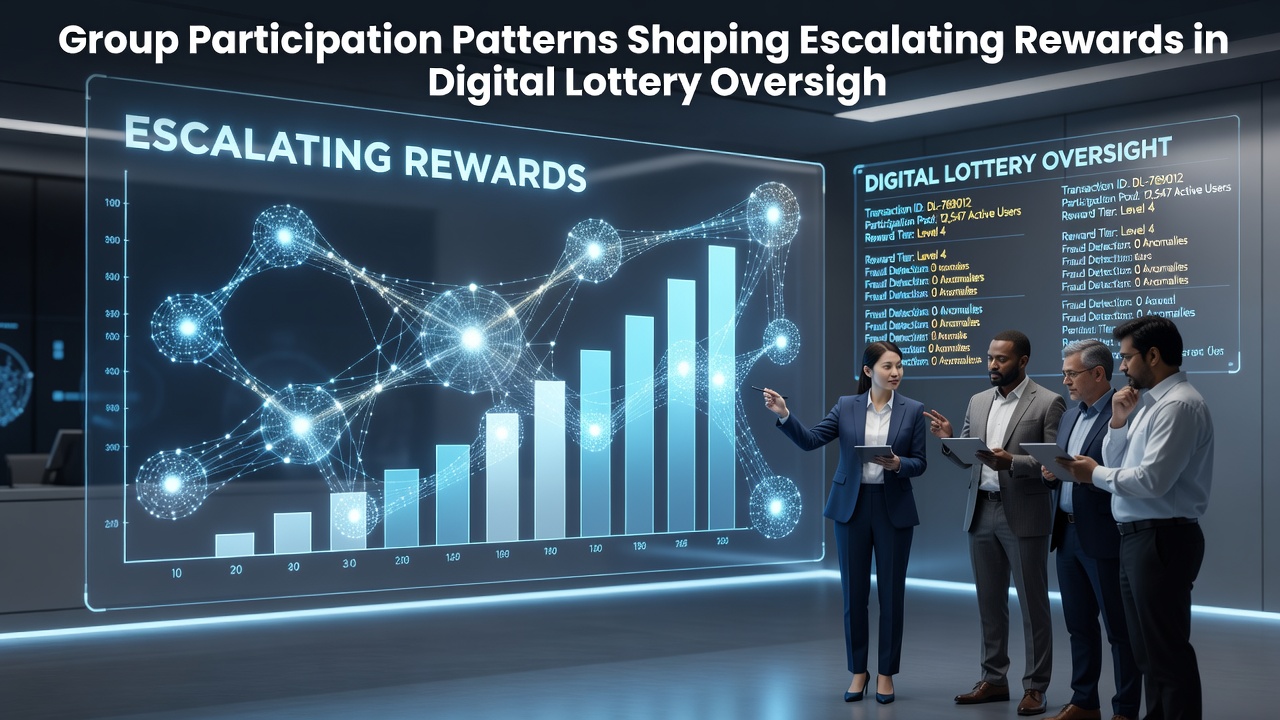
Group Participation Patterns Shaping Escalating Rewards in Digital Lottery Oversight
Digital lottery platforms have grown rapidly since the early 2020s, and group participation patterns now play a central role in how prize pools expand under regulatory supervision. Collective entries, where multiple players pool resources for shared tickets, create measurable effects on reward scaling that oversight agencies track through transaction data and participation logs. These patterns emerge when syndicates form around popular draws, and the resulting volume increases trigger automatic adjustments in progressive elements while compliance teams verify adherence to spending caps and eligibility rules.
Core Mechanisms Behind Collective Entries
Group formations typically occur through organized networks or informal clusters that register combined purchases on authorized platforms, and this activity generates distinct data trails compared to individual transactions. Research from the North American Association of State and Provincial Lotteries shows that syndicate volume often accounts for 15 to 25 percent of total ticket sales in regulated markets during high-stakes periods, which directly feeds into escalation formulas that multiply base prizes by participation multipliers. Oversight systems flag these clusters when thresholds are crossed, ensuring that reward growth stays tied to verified activity rather than artificial inflation.
Patterns become visible through recurring purchase intervals, geographic clustering, and ticket volume spikes that coincide with draw announcements. Regulators analyze these signals to distinguish legitimate group behavior from coordinated attempts to manipulate pool sizes, and automated monitoring tools apply algorithms that cross-reference user accounts against known syndicate identifiers. When patterns align with established benchmarks, systems release escalated rewards without delay while maintaining audit trails for post-draw review.
Data Trends Observed Through Mid-2026
Figures compiled through June 2026 reveal that digital lottery operators recorded a 12 percent rise in group-registered entries compared with the same period in 2025, and this growth correlated with a 9 percent average increase in progressive prize tiers across participating jurisdictions. The escalation occurs because group contributions compound daily pool additions, which oversight protocols convert into multiplier rates applied at draw time. Platforms report these metrics to central databases that allow cross-border comparisons, helping agencies identify whether reward curves remain within authorized parameters set by local statutes.
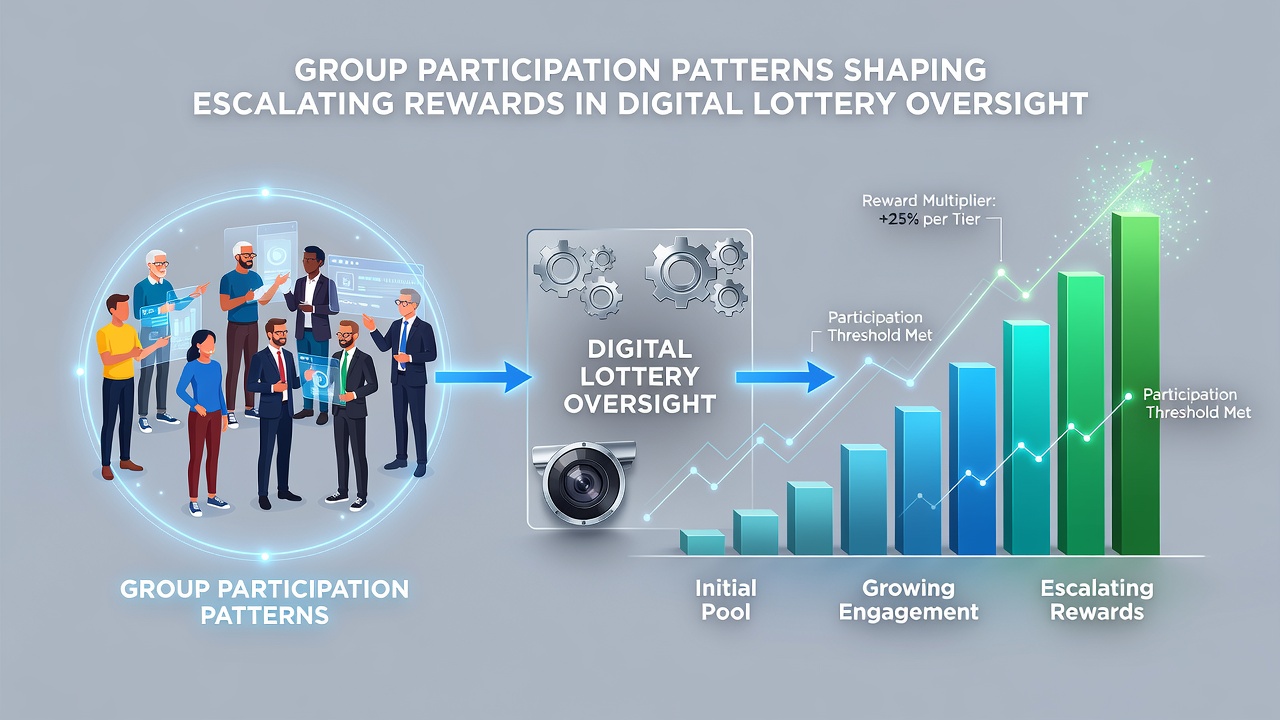
Analysts note that certain demographic segments participate in groups at higher rates, particularly during rollover sequences when accumulated prizes reach publicized levels. This behavior accelerates reward growth but also activates additional verification layers, such as identity confirmation for all members and transaction caps enforced per syndicate. Data from the Australian Lottery Commission indicates similar patterns, where collective entries in June 2026 contributed disproportionately to the largest prize tiers while triggering routine compliance checks that delayed payouts by an average of 48 hours for validation.
Regulatory Frameworks Governing Escalation
Oversight structures require operators to maintain transparent algorithms that translate group participation into reward increments, and these formulas undergo periodic audits by independent bodies. In Canada, provincial gaming authorities mandate that any syndicate exceeding a defined membership threshold submit quarterly activity reports that detail contribution ratios and reward distribution methods. Such requirements prevent disproportionate accumulation while permitting legitimate escalation tied to actual volume.
European regulators have adopted comparable standards through the European Gaming and Betting Association guidelines, which emphasize real-time monitoring of participation clusters. When group patterns drive reward growth beyond projected models, systems automatically cap further increases until manual review confirms compliance. This approach balances player incentives with consumer protection measures that limit exposure to escalating stakes.
Integration of Technology and Oversight
Modern platforms employ blockchain-based ledgers to record group transactions, creating immutable records that oversight agencies access during routine inspections. These ledgers capture every contribution timestamp, member allocation, and resulting prize adjustment, allowing precise reconstruction of how collective patterns influenced final reward amounts. Integration with centralized regulatory dashboards provides continuous visibility, and alerts activate whenever participation velocity deviates from historical norms established through prior draw cycles.
Studies published by university research centers have examined the statistical relationships between syndicate size and reward velocity, confirming that larger groups accelerate escalation at predictable rates when participation remains within regulatory limits. Operators apply these findings to calibrate system thresholds, ensuring that reward growth reflects genuine demand rather than engineered surges.
Conclusion
Group participation patterns continue to shape reward escalation in digital lottery environments through documented mechanisms that regulators monitor with increasing precision. Data collected through June 2026 demonstrates consistent correlations between collective entry volumes and prize tier expansions, all occurring within frameworks designed to maintain fairness and transparency. Oversight agencies across multiple regions apply standardized reporting and verification protocols that accommodate these dynamics while enforcing statutory boundaries on growth rates. The resulting systems support sustained operation of digital lotteries where collective behavior directly influences reward structures under controlled conditions.