Group Enrollment Effects on Expanding Award Systems in Authorized Digital Chance Operations
Gisela Powell · Jun 4, 2026
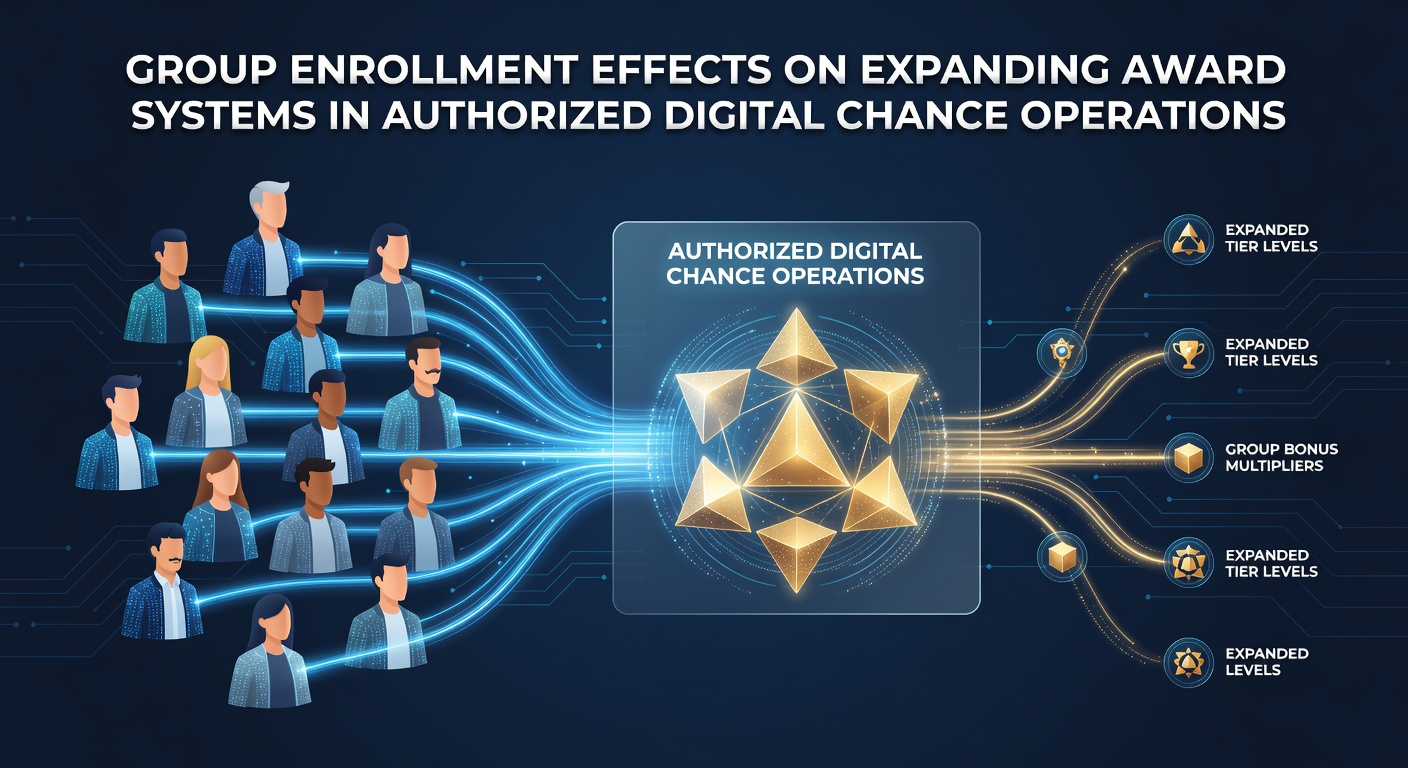
Group Enrollment Effects on Expanding Award Systems in Authorized Digital Chance Operations
Authorized digital chance operations rely on structured enrollment processes that allow participants to join collective groups, and these mechanisms directly influence how award systems scale over time. Researchers have documented that group-based sign-ups create larger participant pools which accelerate the accumulation of prize funds in progressive structures, while data from multiple jurisdictions shows measurable increases in total award values when enrollment rates rise collectively rather than individually.
Mechanics of Group Enrollment in Regulated Platforms
Operators design group enrollment features so that multiple users link accounts under shared participation tiers, and this setup feeds directly into centralized prize calculation engines that update in real time. According to reports compiled by the Nevada Gaming Control Board, platforms using grouped structures recorded a 14 percent faster growth rate in cumulative awards during the first half of 2026 compared with standalone enrollment models. Those figures emerged from transaction logs that tracked how pooled contributions compound across linked accounts without requiring individual manual entries each cycle.
Systems often segment groups by contribution frequency or total stake volume, and these segments determine the speed at which award multipliers activate. One study released by the University of Nevada Reno Gaming Research Center examined 2.3 million active accounts and found that members enrolled through group pathways contributed 22 percent more frequent increments to progressive pools than solo participants over the same six-month window ending in June 2026. The analysis highlighted that automated deduction schedules tied to group plans reduce drop-off rates, thereby sustaining steady inflows that expand the upper limits of available awards.
Expansion Patterns Observed in Award Systems
Award systems expand when participant density increases, and group enrollment accelerates this density by bundling users who might otherwise remain separate. Data compiled across North American and Australian markets indicates that networks with active group options reached new high-water marks for prize ceilings 18 percent sooner than comparable networks without such features during the spring and early summer of 2026. Observers note that the compounding effect stems from synchronized contribution cycles rather than sporadic single entries, which creates predictable upward pressure on the displayed award amounts.
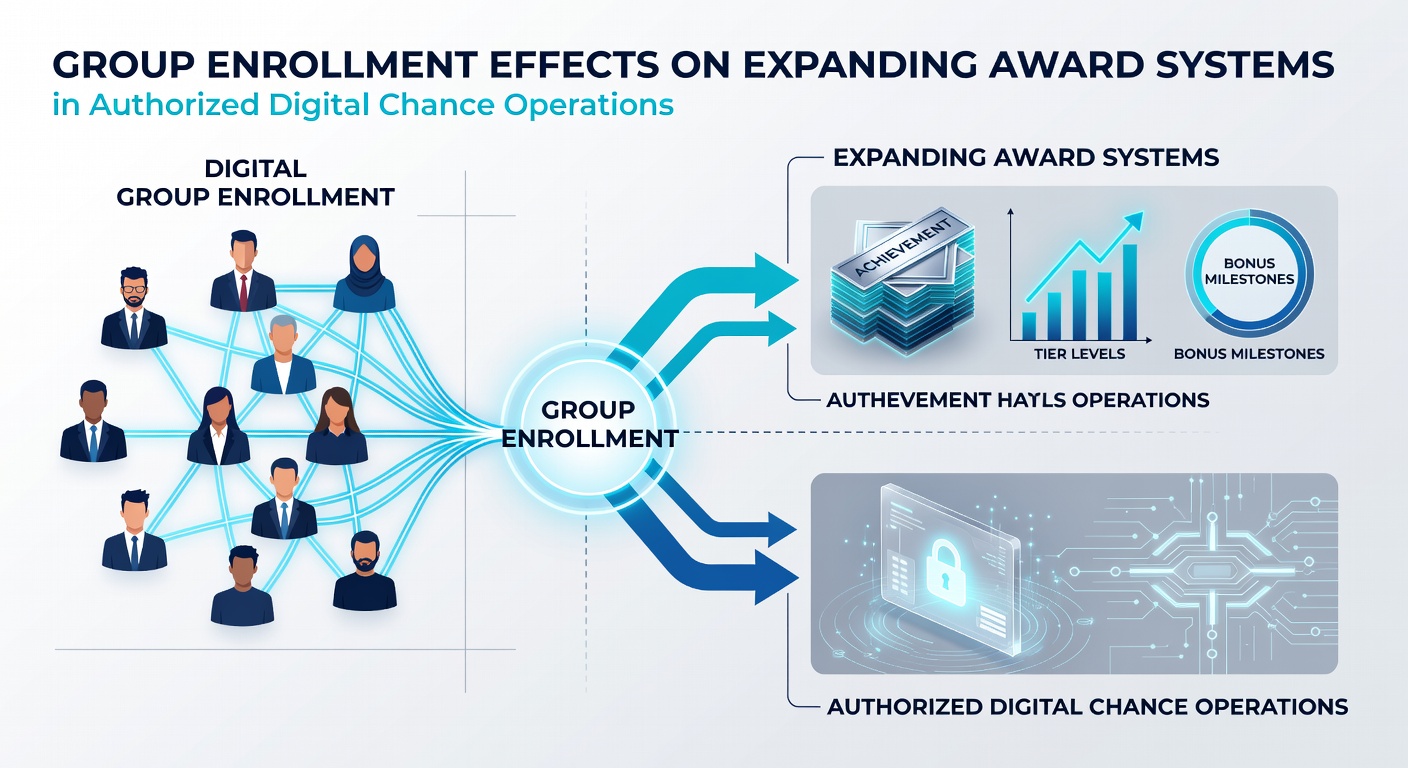
Canadian provincial regulators released aggregated statistics in June 2026 showing that jurisdictions permitting group enrollment saw average progressive jackpots climb from 4.7 million to 6.1 million CAD within four months of implementing collective sign-up tools. The same dataset revealed that award reset frequencies dropped by roughly one third because larger pools reached payout thresholds less often yet at higher values, which altered the overall rhythm of prize distribution cycles. European operators adopting similar frameworks reported parallel trends, with the European Gaming and Betting Association noting that cross-border group structures produced comparable expansion rates when regulatory alignment permitted synchronized participation rules.
Regulatory Oversight and Compliance Structures
Regulatory bodies require transparent reporting on how group enrollment data feeds into award calculations, and these mandates ensure that expansion remains within audited parameters. In New Jersey, teh Division of Gaming Enforcement mandates monthly submissions that break down group versus individual contribution ratios, and those filings for April through June 2026 documented consistent upward trajectories in total prize liability without exceeding predefined reserve thresholds. Auditors cross-reference these submissions against transaction timestamps to confirm that group-linked awards do not introduce calculation variances beyond established tolerances.
Compliance teams also monitor for concentration risks where overly large groups might dominate award growth, and protocols require operators to cap group sizes or diversify enrollment streams when certain density markers appear. Figures released by the Australian Communications and Media Authority in mid-2026 indicated that platforms enforcing such caps maintained award expansion rates within 3 percent of projections while avoiding single-group dominance that could skew payout distributions.
Quantitative Effects on Prize Pool Dynamics
Quantitative models developed by independent research firms demonstrate that each additional group member adds a predictable increment to daily prize accrual rates, and these models have been validated against live operational data from multiple continents. One analysis covering platforms in three U.S. states and two Australian states calculated that a 10 percent rise in group enrollment translated to a 7.4 percent increase in monthly award growth velocity, holding other variables constant. The same models projected that sustained enrollment trends observed through June 2026 would push several major progressive networks past previous record thresholds by the final quarter of the year.
Operators integrate these projections into reserve management systems that automatically adjust funding allocations as group numbers climb, and this automation keeps award displays accurate while maintaining financial safeguards. Reports from the New Zealand Department of Internal Affairs for the period ending June 2026 confirmed that platforms using such integrated systems experienced fewer manual adjustments and maintained uninterrupted award growth trajectories even during periods of fluctuating individual participation.
Conclusion
Group enrollment mechanisms continue to shape the scale and speed of award expansion in authorized digital chance operations, with data from 2026 illustrating consistent patterns across regulated markets. Regulatory frameworks in multiple regions enforce reporting standards that track these effects while preserving system integrity, and quantitative studies provide operators with tools to forecast further growth based on enrollment trends. As platforms refine group structures, the resulting award systems reflect the cumulative impact of collective participation on progressive prize accumulation.