Compliance Protocols Guiding Reward Scaling Across Digital Chance Platforms
Gisela Powell · Jun 15, 2026
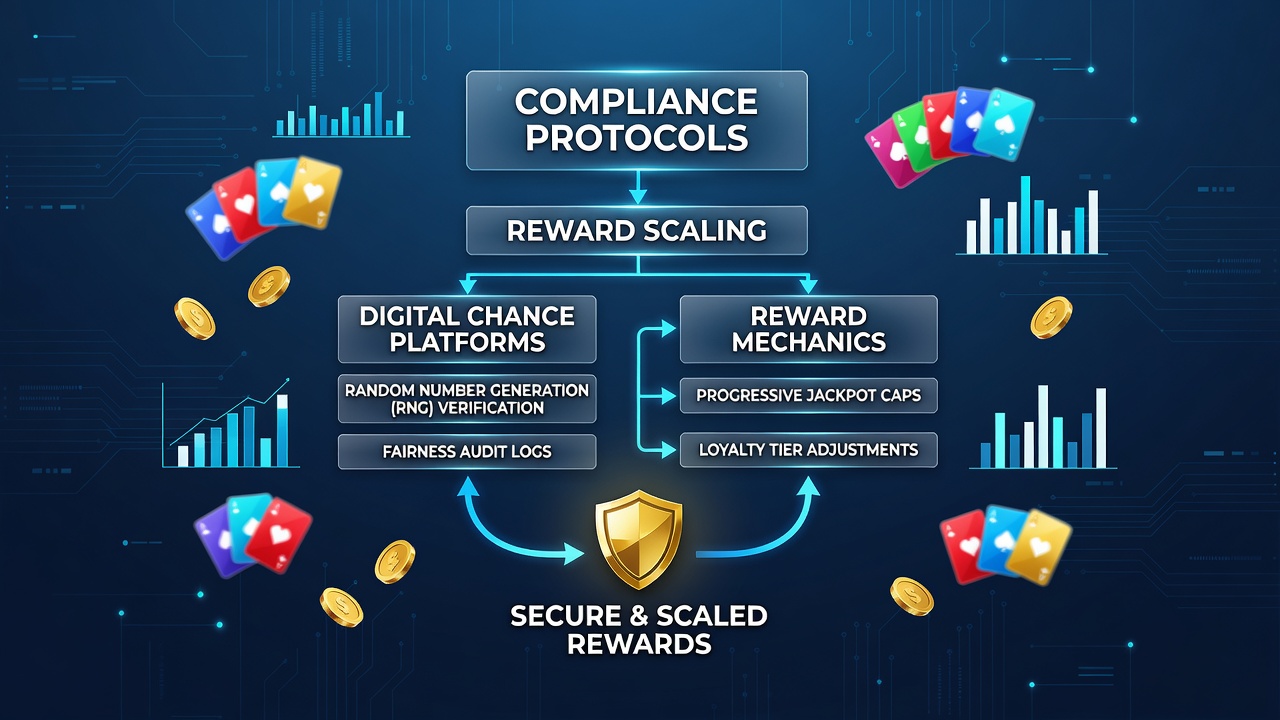
Compliance Protocols Guiding Reward Scaling Across Digital Chance Platforms
Digital chance platforms operate under strict compliance frameworks that determine how rewards expand based on player activity and participation levels, with protocols ensuring all scaling mechanisms align with legal requirements across jurisdictions. These systems track cumulative contributions while enforcing verification steps that prevent unauthorized growth in prize pools or bonus structures.
Core Elements of Reward Scaling Compliance
Protocols begin with identity verification standards that platforms must apply before any reward escalation takes effect, and these checks integrate directly into algorithms that calculate progressive increases. Regulatory bodies such as the Malta Gaming Authority require documented audit trails for every scaling event, which means operators log each transaction alongside player eligibility data to maintain transparency. Data from industry reports shows that platforms following these steps report fewer discrepancies during routine inspections, since the process ties reward growth to verified accounts rather than anonymous activity.
Another layer involves contribution thresholds that dictate when rewards begin to scale, and these thresholds often vary by region yet follow similar documentation rules. Observers note that Canadian operators under iGaming Ontario guidelines must submit scaling models for pre-approval, which includes projections of how prize pools expand with group participation. This pre-approval process connects directly to ongoing monitoring requirements, where automated systems flag deviations from approved patterns.
Verification Standards and Their Integration with Scaling Mechanisms
Verification protocols extend beyond initial registration to include periodic rechecks that coincide with reward milestones, ensuring continued eligibility as balances grow. Researchers have documented how platforms embed these checks into reward engines so that scaling pauses automatically if documentation lapses occur. Such integration reduces manual oversight needs while satisfying demands from oversight agencies for real-time compliance evidence.
Figures from regulatory filings indicate that platforms in multiple markets completed enhanced verification upgrades during the first half of 2026, with June marking a notable period of synchronized updates across several operators. These changes aligned reward scaling rules more closely with anti-money laundering directives, creating unified reporting formats that authorities could review without platform-specific translations.
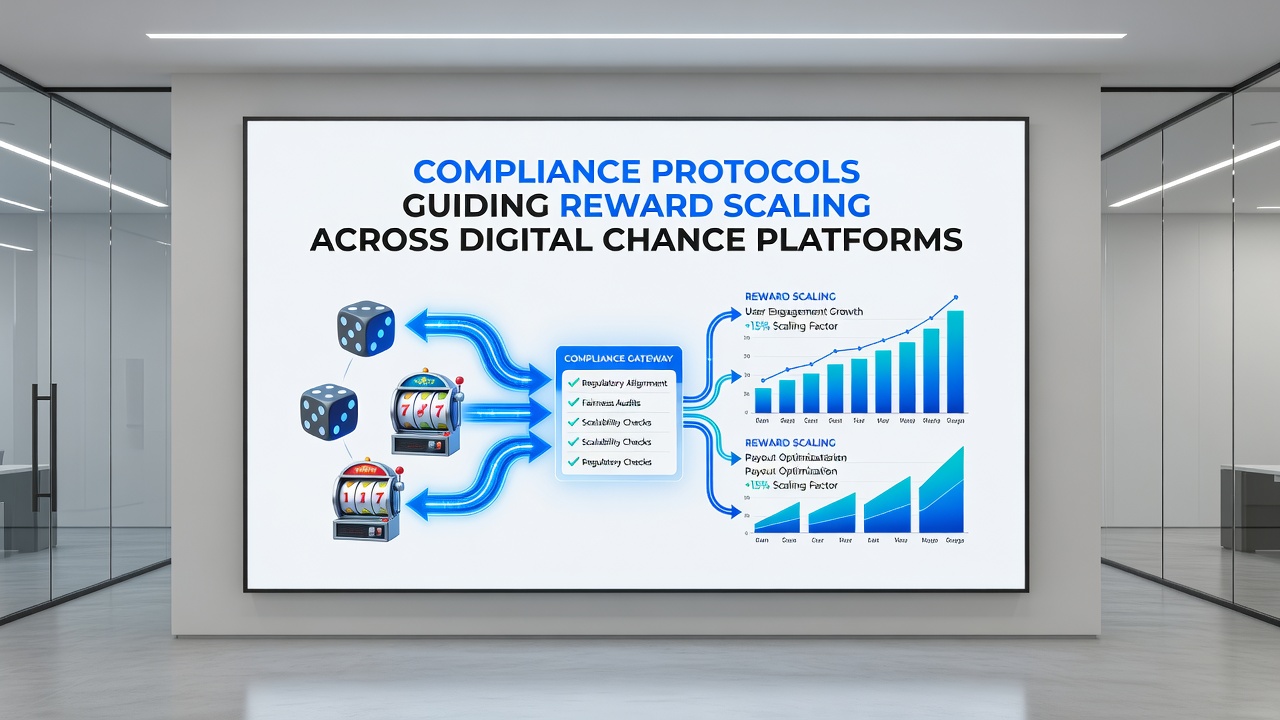
Regional Approaches to Protocol Implementation
European frameworks emphasize centralized reporting hubs where operators submit scaling data on fixed schedules, while North American models focus on state-by-state variations that still require cross-border data sharing agreements. Australian regulators, through bodies like the Australian Communications and Media Authority, have incorporated similar verification layers into their digital lottery oversight, linking reward growth directly to responsible gaming flags that trigger at defined thresholds. This geographic spread shows how core principles adapt without losing the fundamental connection between compliance and reward expansion.
One study released by an academic research group highlighted patterns where platforms using modular compliance software achieved faster scaling approvals compared to those relying on legacy systems. The research connected these outcomes to reduced processing times for regulatory reviews, although the study also noted that all approved models still underwent the same core documentation requirements regardless of software choice.
Monitoring and Adjustment Procedures
Continuous monitoring forms the backbone of these protocols, with automated alerts notifying compliance teams when scaling approaches regulatory caps. Those who've examined operational logs find that successful platforms schedule regular internal audits to test scaling logic against current rules, catching potential issues before external reviews occur. Adjustments happen through controlled updates that require fresh approvals if the changes affect how rewards accumulate across user groups.
Industry organizations track these procedures through shared databases that allow operators to benchmark their systems against peers, yet each entity maintains responsibility for its own compliance records. Evidence suggests that platforms participating in such benchmarking exercises encounter fewer enforcement actions, since they align scaling practices with emerging standards more quickly.
Conclusion
Compliance protocols continue to shape reward scaling by embedding verification and reporting requirements into every stage of reward growth, and operators must maintain alignment across technical systems and regulatory expectations. Updates observed around June 2026 demonstrated how these frameworks evolve in response to new oversight tools while preserving the core link between documented activity and permissible reward expansion. Platforms that integrate these protocols effectively sustain operations within authorized boundaries across diverse digital chance environments.