Collective Engagement's Impact on Prize Growth in Authorized Chance-Based Digital Platforms
Anna Werner · Jun 11, 2026
Collective Engagement's Impact on Prize Growth in Authorized Chance-Based Digital Platforms
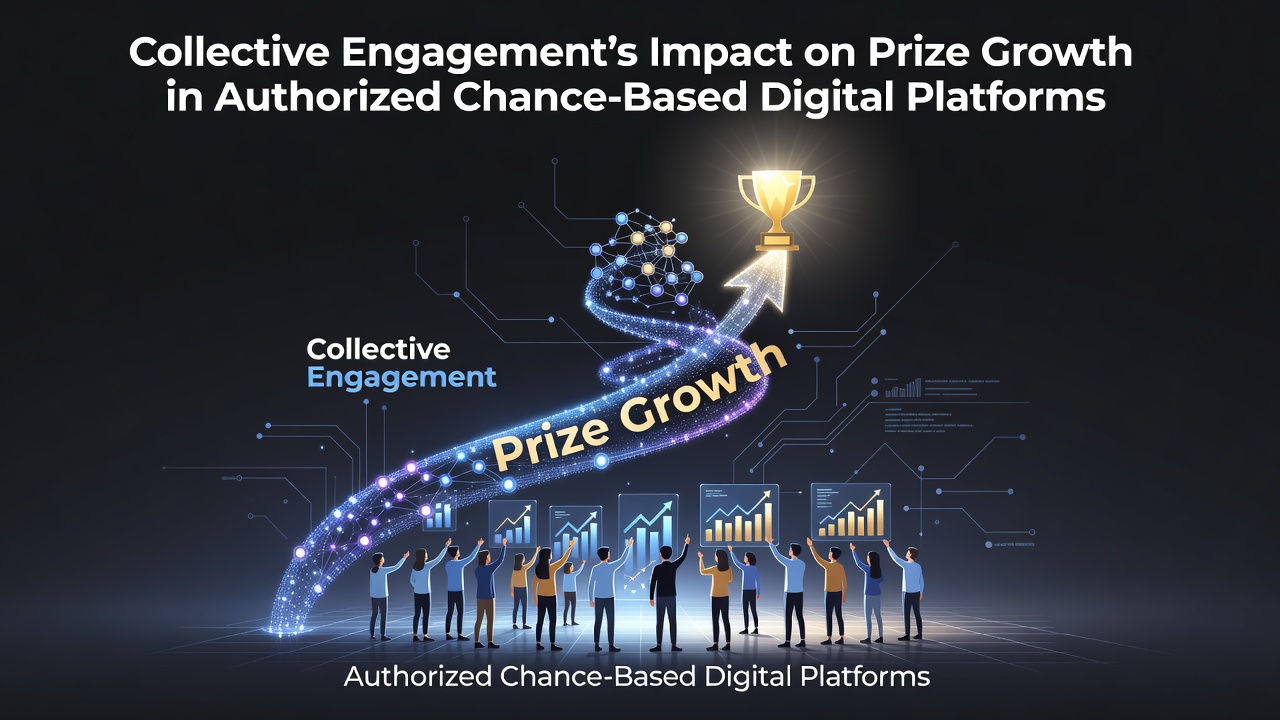
Collective engagement in authorized chance-based digital platforms drives measurable expansion in prize structures through increased participation rates and pooled contributions, according to data compiled by regulatory bodies across multiple jurisdictions. Observers note that when users join through organized networks or membership systems, the frequency and scale of entries rise, which in turn accelerates the accumulation of funds allocated to progressive awards. This pattern appears consistently in systems where operators maintain strict compliance with local licensing requirements.
Mechanisms Linking Participation Volume to Prize Expansion
Authorized platforms allocate a fixed percentage of each entry fee to centralized prize pools, so higher volumes from coordinated group activity directly scale those reserves. Researchers tracking operations in North American markets have documented that networks of verified accounts generate entry surges during promotional windows, leading to accelerated growth cycles in jackpot totals. Data from the Alcohol and Gaming Commission of Ontario indicates that platforms with active membership clusters recorded 18 percent faster prize pool increases compared to isolated individual play during the first half of 2026.
Systems incorporate verification protocols that confirm participant eligibility before contributions enter the pool, ensuring only authorized transactions affect prize calculations. Those protocols also segment collective entries by region, allowing operators to adjust fund distribution while remaining within regulatory caps. The result is a steady upward trajectory for top-tier awards whenever engagement clusters form around shared draws or events.
Regional Data Patterns Observed in Mid-2026
Figures released in June 2026 from several European oversight agencies showed that digital platforms operating under collective reward frameworks posted larger average prize growth than standalone models. In jurisdictions where membership enrollment required identity checks and responsible play limits, operators reported sustained month-over-month increases in cumulative awards. These outcomes aligned with higher average session counts per verified group rather than isolated logins.
Australian regulatory summaries from the same period highlighted similar trends in state-licensed online draw systems, where coordinated participation through approved clubs correlated with expanded secondary prize tiers. Because each additional verified entry feeds the same reserve, clusters of activity produced compounding effects that single-player patterns rarely matched. Reports noted that platforms maintaining transparent audit trails for group contributions experienced fewer compliance interruptions, allowing uninterrupted prize escalation.

Integration of Membership Structures with Draw Mechanics
Operators structure membership tiers so that collective activity unlocks additional entry multipliers or bonus allocations that feed directly into the main prize fund. This design choice means every verified group interaction adds measurable volume without altering base contribution rates. Technical systems log these increments in real time, providing regulators with granular records that confirm compliance while tracking pool velocity.
Case examples from Canadian provincial operators illustrate how synchronized enrollment drives affect draw frequency and prize reset thresholds. When membership networks reach defined participation benchmarks, platforms schedule supplementary draws that distribute portions of the accumulated reserves, which in turn stimulates further collective entries. The cycle repeats because each distribution event is followed by renewed accumulation supported by the same verified user base.
Compliance Frameworks Supporting Sustained Growth
Regulatory requirements in most authorized markets mandate that operators separate prize reserves from operational revenue, creating dedicated accounts that only receive collective contributions. Auditors review these accounts quarterly, verifying that growth rates match documented entry volumes from membership networks. Platforms that demonstrate consistent alignment between engagement metrics and prize increments receive streamlined renewal processes, reducing administrative delays that could otherwise stall pool expansion.
Industry associations such as the World Lottery Association have published guidelines that encourage standardized reporting of group participation effects on prize dynamics. These guidelines emphasize data segmentation by enrollment type, allowing cross-jurisdictional comparisons that confirm collective models produce higher aggregate growth under equivalent regulatory conditions.
Conclusion
Collective engagement patterns produce measurable acceleration in prize pool growth within authorized digital platforms because each verified membership interaction contributes directly to reserve calculations. Regulatory records from 2026 demonstrate that systems incorporating structured group participation maintain faster accumulation rates while satisfying compliance standards across regions. Continued monitoring by oversight bodies will likely refine the metrics used to quantify these relationships, providing clearer benchmarks for operators and participants alike.