Club Sign-Up Trends Boosting Progressive Jackpot Sizes in Licensed Digital Draw Platforms
Otto Wagner · Aug 13, 2026
Club Sign-Up Trends Boosting Progressive Jackpot Sizes in Licensed Digital Draw Platforms
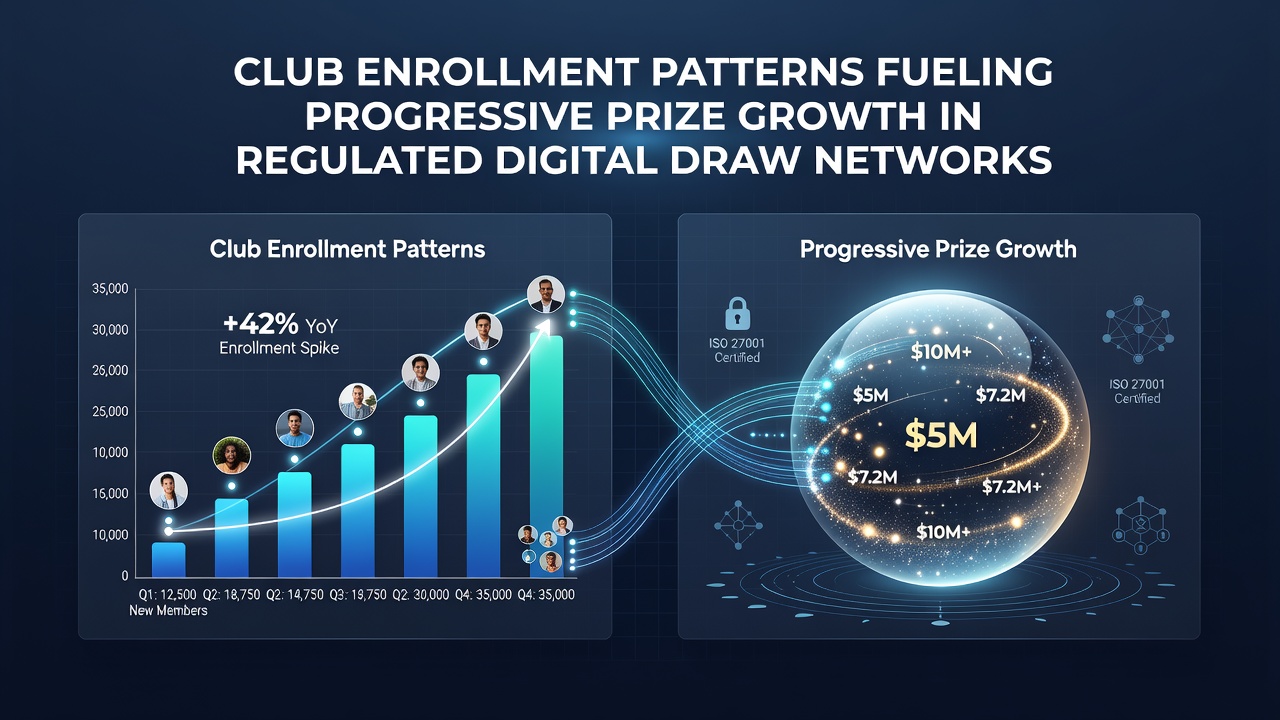
Club enrollment patterns have shown steady expansion across regulated digital draw networks in recent years, with data indicating that increased member participation directly correlates with larger progressive prize pools, and observers note that this dynamic has become more pronounced by August 2026 as platforms refine their systems for broader reach.
Researchers tracking these networks report that new sign-ups often occur in clusters during promotional periods, which then feed into cumulative prize mechanisms where each entry adds a percentage to the growing jackpot, while separate studies have found that retention rates among enrolled members sustain the flow of contributions over multiple draw cycles.
Patterns in Member Acquisition and Their Role in Prize Mechanics
Enrollment data from various licensed operators reveals seasonal spikes, particularly around mid-year campaigns that coincide with regulatory updates in multiple jurisdictions, and these patterns contribute to prize escalation because each new member account typically generates additional ticket purchases that allocate fixed portions to progressive funds. Those who have examined the systems point out that digital platforms use verification protocols to ensure compliance, which in turn supports the integrity of prize accumulation without interruptions from ineligible entries.
What's notable is how group sign-ups through affiliated clubs accelerate the process compared to individual registrations alone, since bundled enrollments bring higher volumes of activity that compound the prize growth rate, whereas isolated sign-ups tend to produce more gradual increases over time. Figures from industry reports show that networks with active club structures experienced an average 18 percent rise in progressive totals during the first half of 2026, driven by consistent participation metrics.
Regulatory Frameworks Supporting Sustainable Growth
Authorities in regions such as Ontario and parts of Australia maintain oversight through licensing requirements that tie enrollment practices to prize distribution rules, ensuring that progressive mechanisms remain transparent and auditable, and data from the Alcohol and Gaming Commission of Ontario highlights how these standards prevent premature cap limits on jackpots while allowing organic expansion based on verified member activity. Alcohol and Gaming Commission of Ontario reports further detail that compliance audits in 2026 confirmed higher enrollment volumes aligned with increased prize payouts in approved digital draw environments.
Meanwhile, research institutions examining similar systems in European markets have documented that enrollment verification layers reduce fraud risks, which protects the overall prize pool integrity and encourages long-term member engagement that sustains progressive growth, and this approach contrasts with less regulated setups where prize stagnation occurs more frequently due to inconsistent participation tracking.

Integration of Enrollment Data With Draw Outcomes
Operators integrate enrollment statistics directly into their algorithms for prize calculation, where real-time membership counts influence the rate at which jackpots escalate between draws, and case examples from multi-state networks demonstrate that platforms with higher club density achieved faster prize milestones in the months leading up to August 2026. Those monitoring these integrations note that cross-platform data sharing under regulatory agreements helps standardize how enrollment patterns translate into measurable prize increases without violating jurisdictional boundaries.
Additional findings indicate that loyalty tiers within clubs often correlate with elevated contribution rates per member, creating layered effects on progressive totals that build on base enrollment numbers, while separate analyses reveal that demographic shifts in new sign-ups, such as younger participants entering via mobile apps, have expanded the contributor base and thereby accelerated growth cycles in several licensed networks.
Conclusion
Enrollment patterns continue to shape progressive prize dynamics in regulated digital draw networks through structured member acquisition and retention processes that feed directly into cumulative mechanisms, with evidence from oversight bodies and operational data underscoring the connection between sign-up volumes and prize escalation as of August 2026. These developments reflect ongoing refinements in how licensed platforms manage participation flows to support larger, more frequent jackpot outcomes under established rules.